
7.1% వృద్ధి అంచనా: headline కంటే లోతులో ఏముంది?
2026 అక్టోబర్ 6న విడుదలైన World Bank India Development Update, 2026–27 ఆర్థిక సంవత్సరానికి భారత వృద్ధిని 7.1%గా అంచనా వేసింది. ఇదే సమయంలో South Asia మొత్తం 2026లో 6.9% వృద్ధి సాధించి, 2027లో 6.7%కు మందగించవచ్చని World Bank తెలిపింది. బలమైన domestic demand, పెట్టుబడులు భారత outlookకు మద్దతు ఇస్తున్నప్పటికీ, ఇది risk-free forecast కాదు.
ధృవీకరించిన వాస్తవం: World Bank forecast ఒక projection మాత్రమే—ఇప్పటికే సాధించిన growth rate కాదు. భవిష్యత్ data, energy prices, weather, global demand, policy అమలు మారితే ఈ అంచనా కూడా మారవచ్చు.
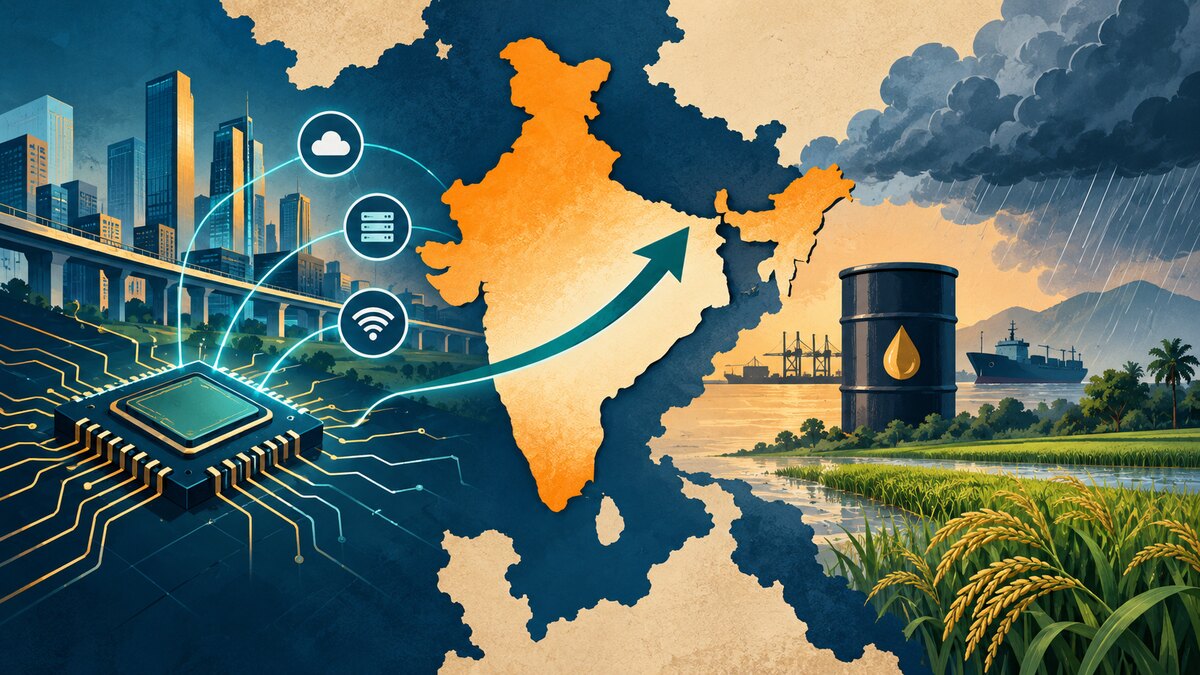
మూడు పరీక్షలు: Energy, El Niño, AI
Energy: South Asia imported fuelపై ఆధారపడటం వల్ల oil లేదా gas ధరల పెరుగుదల inflation, transport, fertiliser, manufacturing marginsపై వేగంగా ప్రభావం చూపుతుంది. భారతదేశానికి growthను కాపాడటమే కాదు, energy shock household budgetsకు చేరకుండా చేయడం కూడా కీలకం.
El Niño: వర్షపాతం మార్పులు agriculture output, food prices, rural demandపై ప్రభావం చూపవచ్చు. మంచి GDP headline ఉన్నా food inflation పెరిగితే కుటుంబాల real purchasing power తగ్గుతుంది.
AI: World Bank India update ప్రకారం private AI investment 2024లో సుమారు $1.2 billion నుంచి 2025లో $4.1 billionకు పెరిగింది. భారత firmsలో AI adoption సుమారు 23%గా ఉండగా, అమెరికా firmsలో 43%గా ఉందని report పేర్కొంది. ఇది opportunityతో పాటు diffusion gapను కూడా చూపుతోంది.
Jobsకు AI వరమా, ఒత్తిడా?
AI investment పెరగడం productivity, new services, specialised jobsకు దారి తీస్తుంది. Global Capability Centresలో employment 1.9 million నుంచి 2.36 millionకు పెరిగిందని report సూచిస్తుంది. కానీ adoption కొద్దిమంది పెద్ద firms, నగరాలు, high-skill workers వద్దే కేంద్రీకృతమైతే inequality పెరగవచ్చు. Training లేకుండా automation అమలు చేస్తే routine rolesపై ఒత్తిడి పడుతుంది.
వృద్ధి నాణ్యతను కొలవాల్సిన నాలుగు ప్రశ్నలు
- Growthతో పాటు formal, productive jobs పెరుగుతున్నాయా?
- AI benefits MSMEs, tier-2 cities, public servicesకు చేరుతున్నాయా?
- Energy imports వల్ల inflation vulnerability తగ్గుతోందా?
- Climate-resilient agriculture, irrigation, insuranceలో investment సరిపోతుందా?
నా అభిప్రాయం:
7.1% forecast భారత ఆర్థిక momentumకు మంచి signal. కానీ policy విజయాన్ని GDP ఒక్కటితో కొలవకూడదు. AI capitalను skills, data infrastructure, MSME accessతో కలపాలి; energy diversificationను household affordabilityతో చూడాలి; climate preparednessను rural incomesతో అనుసంధానించాలి. అప్పుడు growth వేగం మాత్రమే కాదు—దాని నిలకడ, విస్తృతి కూడా బలపడతాయి.
మూలాలు
India’s 7.1% outlook: strong growth, demanding tests
The World Bank’s India Development Update released on 6 October projects 7.1% growth for FY2026/27. It separately expects South Asia to grow 6.9% in 2026 and slow to 6.7% in 2027. Domestic demand and investment support India’s outlook, but the forecast is conditional—not an achieved result.
Three tests
Energy: an oil or gas shock can pass through to transport, fertiliser, inflation and industrial margins. El Niño: weaker or uneven rainfall can affect farm output, food prices and rural purchasing power. AI: private AI investment in India rose from about $1.2 billion in 2024 to $4.1 billion in 2025, but adoption among Indian firms—about 23% in the report—still trails the 43% figure cited for US firms.
Jobs and the diffusion question
AI can raise productivity and create specialised services. The report notes Global Capability Centre employment rising from 1.9 million to 2.36 million. Yet benefits may remain concentrated in large firms, major cities and highly skilled workers. Without reskilling and wider access, automation can pressure routine work and widen inequality.
What should be measured?
The durable test is whether growth creates productive formal jobs, spreads AI capacity to MSMEs and smaller cities, reduces imported-energy vulnerability, and strengthens climate-resilient agriculture. GDP is essential, but it does not by itself reveal distribution, resilience or household purchasing power.
My assessment:
The 7.1% projection is a positive signal of momentum. Policy should now convert AI capital into broad capabilities, pair energy diversification with affordability, and connect climate investment to rural incomes. That is how a fast forecast becomes durable and inclusive growth.
Sources
I Reflect. You Respond.
#MVRTalks #IndianEconomy #WorldBank #IndiaGrowth #ArtificialIntelligence #EnergySecurity #ClimateRisk #Jobs #EconomicAnalysis #IReflectYouRespond