
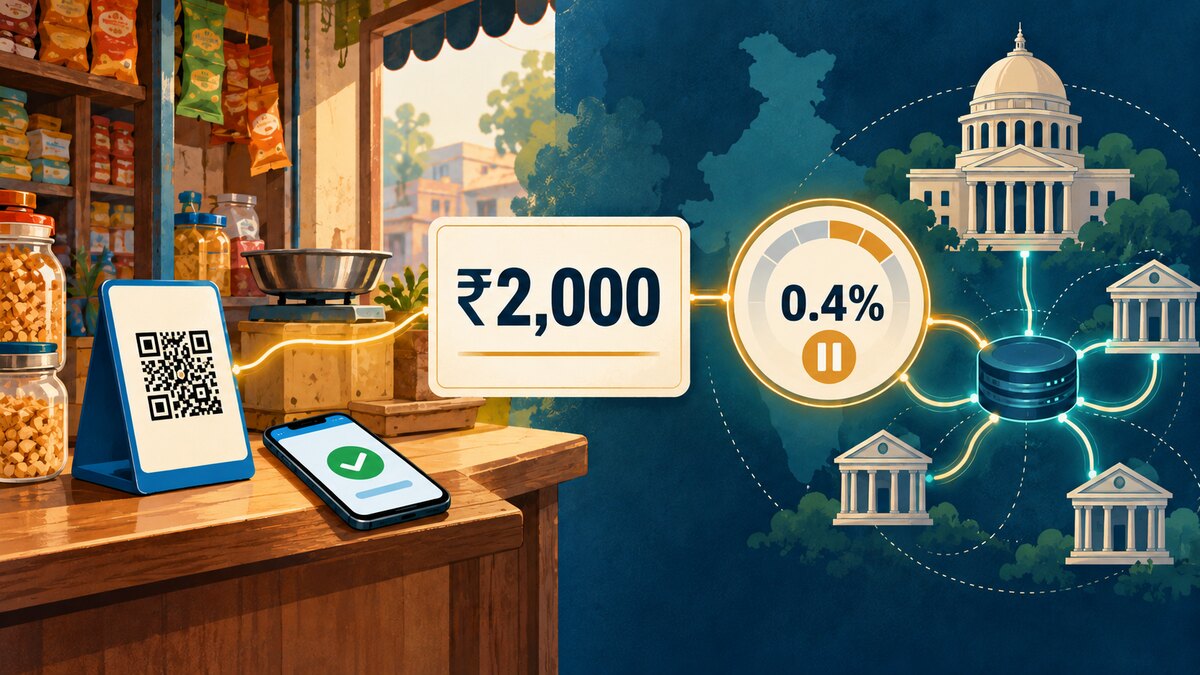
UPIలో fee మార్పు—కానీ నిర్ణయం ఇంకా final కాదు
2026 అక్టోబర్ 8న Reuters ప్రచురించిన నివేదిక ప్రకారం, ₹2,000కు పైబడిన merchant UPI paymentsపై 0.4% Merchant Discount Rate (MDR) అమలును భారత్ కొన్ని నెలలు వాయిదా వేయడాన్ని పరిశీలిస్తోంది. ఈ fee అక్టోబర్ 15 నుంచి అమల్లోకి రావాల్సి ఉందని report తెలిపింది; January 2027 వరకు defer చేసే అవకాశం చర్చలో ఉందని sources పేర్కొన్నారు.
ధృవీకరించిన స్థితి: Reuters report వెలువడిన సమయంలో National Payments Corporation of India (NPCI) final decision ఇంకా తీసుకోలేదని స్పష్టంగా తెలిపింది. కాబట్టి “fee రద్దయింది” లేదా “January 1 నుంచి ఖచ్చితంగా అమలు” అని చెప్పడం సరైంది కాదు. ఇది sources ఆధారంగా వచ్చిన policy-development report; final circular కాదు.
ఎంత పెద్ద వ్యవస్థ గురించి మాట్లాడుతున్నాం?
NPCI అధికారిక product statistics ప్రకారం 2026 ఆగస్టులో UPIలో 24,508.96 million transactions, మొత్తం ₹29,82,355.95 crore value నమోదైంది; 752 banks liveగా ఉన్నాయి. ఈ scaleలో చిన్న pricing change కూడా merchants, banks, payment apps, consumersపై విస్తృత ప్రభావం చూపగలదు.
MDR అంటే consumer feeనా?
MDR అనేది సాధారణంగా merchant payment acceptance కోసం acquiring ecosystemకు చెల్లించే charge. Proposed framework గురించి Reuters report merchantsపై chargeగా వివరించింది. Merchant దాన్ని తన marginలో absorb చేయవచ్చు, pricesలో spread చేయవచ్చు, minimum-purchase rule పెట్టవచ్చు లేదా వేరే payment modeను ప్రోత్సహించవచ్చు. అందువల్ల fee నేరుగా customer account నుంచి debit కాకపోయినా, చివరికి retail pricing లేదా checkout behaviour ద్వారా consumerపై పరోక్ష ప్రభావం రావచ్చు.
Payment firmsకు revenue ఎందుకు అవసరం?
UPI userకు seamlessగా కనిపించినా వెనుక bank infrastructure, fraud monitoring, dispute handling, cybersecurity, merchant onboarding, customer support, availability engineering వంటి recurring costs ఉన్నాయి. Zero-MDR policy adoptionను వేగంగా పెంచింది; అదే సమయంలో ecosystemలో sustainable revenue ఎవరు సమకూర్చాలి అన్న ప్రశ్నను కొనసాగించింది. Public subsidy, bank funding, cross-subsidy, merchant fee—ఏ model అయినా costను ఎవరో భరించాలి.
Small merchantsకు అసలు పరీక్ష
₹2,000 threshold everyday low-value purchasesను బయట ఉంచవచ్చు. అయినా electronics, travel, healthcare, education, jewellery, wholesale లేదా larger grocery billsలో transactions threshold దాటుతాయి. Thin-margin businessesకు 0.4% చిన్నదిగా కనిపించినా, net marginలో meaningful share కావచ్చు. ఉదాహరణకు ₹10,000 transactionపై 0.4% అంటే ₹40; కానీ proposed cap, settlement rules, tax treatment వంటి final details official frameworkపై ఆధారపడతాయి.
Festive-season timing ఎందుకు ముఖ్యం?
అక్టోబర్ నుంచి డిసెంబర్ వరకు retail demand పెరిగే సమయంలో systems, merchant communication, accounting, invoicing changes చేయడం operational riskను పెంచవచ్చు. Delay వల్ల payment firmsకు systems సవరించడానికి, merchantsకు contract terms అర్థం చేసుకోవడానికి సమయం లభించవచ్చు. మరోవైపు delay వల్ల ecosystemకు ఊహించిన revenue కూడా వాయిదా పడుతుంది—ఈ అంచనానే listed digital-payment companies sharesపై ప్రభావం చూపిందని Reuters తెలిపింది.
Policy designలో చూడాల్సిన ఐదు అంశాలు
- Transparency: fee ఎవరు చెల్లిస్తారు, customerకు surcharge అనుమతించబడుతుందా?
- Merchant size: turnover లేదా category ఆధారంగా small merchantsకు protection ఉంటుందా?
- Competition: pricing వల్ల cash లేదా closed walletsకు తిరుగు జరుగుతుందా?
- Reliability: కొత్త revenue uptime, fraud control, grievance redressalలో measurable improvement ఇస్తుందా?
- Transition: festive seasonలో confusion లేకుండా circular, lead time, testing స్పష్టంగా ఉంటాయా?
నా అభిప్రాయం:
UPI విజయాన్ని కేవలం “ఎప్పటికీ free” అనే sloganతో నిలబెట్టలేం; అలాగే ecosystem cost పేరుతో merchant adoptionను వెనక్కి నెట్టకూడదు. సరైన policy చిన్న merchantsను రక్షిస్తూ, పెద్ద-ticket commercial paymentsకు పరిమితమైన, పారదర్శక pricingను అనుమతించవచ్చు. Final decision ముందు NPCI స్పష్టమైన circular, customer-surcharge rule, small-merchant safeguards, revenue-for-reliability metricsను ప్రకటించాలి. Until then, delayను confirmed policyగా కాక pending deliberationగా చూడాలి.
మూలాలు
A UPI fee change is being discussed—but the decision was not final
Reuters reported on 8 October 2026 that India was considering delaying a proposed 0.4% Merchant Discount Rate on merchant UPI payments above ₹2,000. The charge had been expected from 15 October; sources said a deferral to January 2027 was under discussion.
Verified status: Reuters explicitly said NPCI had not taken a final decision when the report was published. It is therefore inaccurate to say the fee was cancelled or that a January start was confirmed. This is a sourced report about a policy deliberation, not a final circular.
The scale of the system
NPCI’s official statistics show 24,508.96 million UPI transactions worth ₹29,82,355.95 crore in August 2026, with 752 banks live. At that scale, even a modest pricing change can affect merchants, banks, payment firms and consumers.
Is MDR a consumer fee?
MDR is normally a merchant-acceptance charge paid into the acquiring ecosystem. A merchant may absorb it, distribute it through prices, impose minimum-purchase behaviour or encourage another payment method. So even if it is not debited directly from the customer, it can reach consumers indirectly.
Why payment firms seek revenue
UPI depends on bank infrastructure, fraud monitoring, disputes, cybersecurity, merchant onboarding, support and round-the-clock availability. Zero MDR accelerated adoption, but it did not eliminate operating costs. Subsidy, banks, cross-subsidy or merchants must ultimately fund the system.
The small-merchant test
A ₹2,000 threshold may exclude everyday low-value payments, but electronics, travel, healthcare, education, wholesale and larger retail bills can exceed it. On ₹10,000, 0.4% equals ₹40, though caps, settlement rules and tax treatment depend on the final framework. For a thin-margin merchant, the percentage may still matter.
Why timing matters
Changing systems, accounting and merchant communication during the festive quarter creates operational risk. A delay can provide transition time, while also postponing expected ecosystem revenue. Reuters linked that expectation to declines in listed digital-payment stocks.
My assessment:
UPI cannot be sustained by the slogan “free forever,” but ecosystem costs should not reverse merchant adoption. A sound policy could protect small merchants while allowing transparent, limited pricing for larger commercial payments. Before implementation, NPCI should publish clear surcharge rules, safeguards, transition time and measurable reliability commitments. Until then, the delay remains a reported deliberation—not settled policy.
Sources
I Reflect. You Respond.
#MVRTalks #IndianEconomy #Economy #EconomicAnalysis #UPI #DigitalPayments #MDR #FinTech #Merchants #IReflectYouRespond