
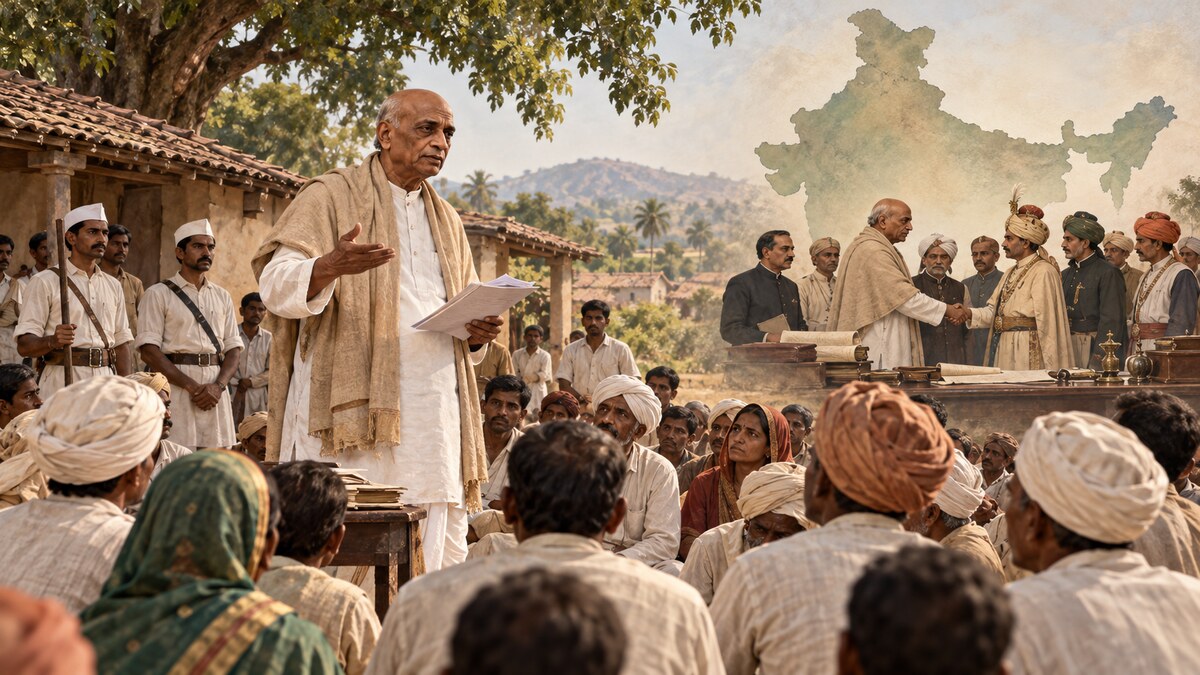
బాల్యం నుంచి న్యాయవృత్తి వరకు
Vallabhbhai Jhaverbhai Patel 31 October 1875న Gujaratలోని Nadiadలో జన్మించారు. గ్రామీణ జీవితం, కష్టపడి స్వయంగా ఎదగాలనే స్వభావం ఆయన వ్యక్తిత్వాన్ని తీర్చిదిద్దాయి. న్యాయశాస్త్రం చదివి విజయవంతమైన lawyerగా స్థిరపడ్డారు; Englandలో barrister qualification పొందిన తరువాత Ahmedabadలో practice చేశారు.
ఆ కాలంలో ఆయన public image disciplined, practical, professionally successful advocateది. కానీ Mahatma Gandhi నాయకత్వం, రైతుల కష్టాలు, colonial revenue policy ఆయన జీవితాన్ని court room నుంచి mass politicsవైపు మళ్లించాయి.
Kheda: రైతు బాధను organisationగా మార్చడం
1917–18లో పంట నష్టం, ధరల పెరుగుదల Kheda రైతులను తీవ్రంగా దెబ్బతీశాయి. Revenue remission కోరినా colonial administration స్పందించలేదు. 1918 Kheda Satyagrahaలో Gandhiతో కలిసి Patel గ్రామాల మధ్య తిరిగి పరిస్థితిని వివరించారు, రైతులను సంఘటితం చేశారు, non-payment ఉద్యమానికి discipline ఇచ్చారు.
ప్రతి demand పూర్తిగా నెరవేరకపోయినా, poor cultivatorsకు ఉపశమనం, confiscated property తిరిగి ఇవ్వడం వంటి ఫలితాలు వచ్చాయి. ముఖ్యంగా రైతులు tax policyలో passive subjects కాదు—stakeholders అని ఉద్యమం చూపించింది. ఇదే Gandhi–Patel సహకారానికి బలమైన పునాది.
Bardoli: “Sardar” అనే పేరు సంపాదించిన పోరాటం
1928లో Bombay Presidency Bardoli ప్రాంతంలో land revenueను 22% పెంచింది. Flood, hardship నేపథ్యంలో రైతులు ఈ hikeను భరించలేమన్నారు. Patel ఉద్యమాన్ని spontaneous angerగా వదిలేయలేదు. Villagesను sectorsగా విభజించారు; volunteers, messengers, daily bulletins, bhajan groups, legal guidanceతో communication network నిర్మించారు. Property seizure, pressure వచ్చినా non-violence మరియు unityపై పట్టుదల చూపారు.
Official accounts ప్రకారం Bardoli movement 92 villages, సుమారు 87,000 peasantsను క్రమశిక్షణతో అనుసంధానించింది. Settlement తరువాత revenue increase review అయ్యింది; confiscated lands తిరిగి ఇచ్చారు. రైతుల ప్రేమతో Vallabhbhai “Sardar” అయ్యారు—title అధికారిక పదవి వల్ల కాదు, collective trust వల్ల వచ్చింది.
National movementలో క్రమశిక్షణ
Patel Non-Cooperation, Civil Disobedience మరియు Quit India movementsలో కీలక పాత్ర వహించారు. జైలు జీవితం అనుభవించారు. ఆయన style emotional rhetoric కంటే organisation, timing, resource mobilisation, clear commandపై ఆధారపడేది. Gandhi moral directionను mass disciplineగా మార్చగల executorగా Patel నిలిచారు.
1942 Quit India ఉద్యమానికి ముందు ప్రజలను సిద్ధం చేస్తూ speeches ఇచ్చారు. త్వరలోనే Congress leadershipతో పాటు ఆయనను అరెస్టు చేశారు; 1945 వరకు నిర్బంధంలో ఉన్నారు.
స్వాతంత్ర్యం తర్వాత: integration అనే అపూర్వ బాధ్యత
1947లో India స్వతంత్రం అయినప్పుడు British provincesతో పాటు 560కుపైగా princely states ఉన్నాయి. First Deputy Prime Minister మరియు Home Ministerగా Patel, States Department Secretary V. P. Menonతో కలిసి rulersను accessionకు ఒప్పించే బాధ్యత చేపట్టారు.
Diplomacy, assurances, administrative planning, అవసరమైన చోట firmness—ఈ మిశ్రమంతో భారీ fragmentation ప్రమాదాన్ని తగ్గించారు. ప్రతి case ఒకేలా లేదు: Travancore, Jodhpur, Junagadh, Hyderabad వంటి రాష్ట్రాలకు వేర్వేరు సమస్యలు. అందువల్ల integrationను ఒకే heroic gestureగా కాక, negotiations, instruments of accession, public sentiment, security decisionsతో కూడిన సంక్లిష్ట processగా చూడాలి.
Strategy and leadership
- Facts before slogans: రైతు సమస్యను revenue records, crop conditionsతో నిర్మించారు.
- Distributed organisation: local volunteersకు clear roles ఇచ్చారు.
- Message discipline: rumourకు బదులు reliable communication network వాడారు.
- Negotiation with leverage: compromiseకు అవకాశం ఉంచి, collective unityతో bargaining power నిర్మించారు.
- Execution after victory: political agreementను administrative integrationగా మార్చారు.
Hardship, debate and historical balance
Patel నిర్ణయాలు ఎప్పుడూ debateలకు అతీతం కావు. Strong central authorityపై ఆయన దృష్టి, Hyderabadలో force వినియోగం, Partition కాలపు security choices చరిత్రకారుల చర్చకు వస్తాయి. Long-form remembrance అంటే admirationతో పాటు contextను నిలబెట్టడం. ఆయన గొప్పతనం వ్యక్తిగత cultలో కాదు—uncertain conditionsలో institutions, discipline, coordinationను నిర్మించడంలో ఉంది.
ఎలా గుర్తుంచుకుంటున్నాం?
Patel 15 December 1950న మరణించారు. “Iron Man of India,” national integration architectగా ఆయనను స్మరిస్తారు. National Unity Day, Statue of Unity, archives, institutions ఆయన జ్ఞాపకాన్ని కొనసాగిస్తున్నాయి. అయితే అతని legacyకి ఉత్తమ గౌరవం విగ్రహ పరిమాణం కాదు—విభిన్న సమూహాలను చట్టబద్ధమైన, సమర్థమైన public institutionsతో కలపడం.
🌱 మానవ వికాస కోణం
Patel కథ resolve అంటే కఠిన ముఖం కాదని చెబుతుంది. Preparation, listening, information, shared discipline, timely negotiation కలిసి resolve అవుతాయి. Bardoliలో ప్రజలు తమ బాధను ఆయనకు అప్పగించలేదు; ఆయన వారిని organised agencyగా మార్చాడు. మంచి నాయకుడు followersను dependentగా చేయడు—coordinatedగా చేస్తాడు.
🌱 జీవిత పాఠం
పెద్ద సమస్యను ఎదుర్కొన్నప్పుడు మొదట structure నిర్మించండి: నిజమైన data, clear roles, reliable communication, non-negotiable values, negotiationకు space. ఐక్యత అంటే భిన్నతను చెరిపేయడం కాదు; భిన్న భాగాలు కలిసి పనిచేసే నమ్మదగిన వ్యవస్థను నిర్మించడం.
From law to organised public action
Vallabhbhai Patel was born on 31 October 1875 in Nadiad, Gujarat. He trained in law, qualified as a barrister in England and built a successful practice. Gandhi's leadership and the hardship of cultivators drew him from professional life into mass politics.
In the 1918 Kheda Satyagraha, crop failure and rising prices had left peasants unable to bear revenue demands. Patel travelled through villages, organised cultivators and helped give disciplined form to resistance. Not every demand was fully met, but the campaign established peasants as participants in decisions affecting taxation and strengthened the Gandhi–Patel partnership.
Bardoli and the making of “Sardar”
In 1928, cultivators in Bardoli opposed a 22% land-revenue increase. Patel organised 92 villages and about 87,000 peasants through sector leaders, volunteers, messengers, bulletins and cultural communication. The campaign remained nonviolent under pressure and seizure of property. Its settlement and the restoration of confiscated lands made Patel a national leader; the title “Sardar” came from public trust.
Freedom struggle and sacrifice
Patel participated in Non-Cooperation, Civil Disobedience and Quit India and underwent imprisonment. His distinctive contribution was organisational discipline: translating a moral objective into roles, information flows, timing and collective endurance.
After independence
As independent India's first Deputy Prime Minister and Home Minister, Patel worked with V. P. Menon on the accession and integration of more than 560 princely states. Negotiation, assurances, administrative planning and firmness were adapted to different cases. This was not a single dramatic act, but a complex institutional process carried out amid Partition and security pressures.
Historical significance and balance
Patel's decisions remain open to debate, including his preference for a strong centre and the use of force in Hyderabad. A balanced remembrance preserves that context. His enduring achievement was the ability to build coordination and institutions under uncertainty.
🌱 Human Development Perspective
Resolve is not merely a stern expression. It is preparation, accurate information, clear roles, shared discipline and negotiation at the right time. At Bardoli, Patel did not make citizens dependent on a hero; he helped them become organised participants.
🌱 Life Lesson
When facing a large problem, first build structure: trustworthy facts, clear responsibilities, reliable communication, non-negotiable values and room for settlement. Unity does not erase difference; it creates a dependable system in which different parts can act together.
Sources
I Reflect. You Respond.
#MVRTalks #FreedomFighter #SardarPatel #Bardoli #Kheda #IndianIndependence #NationalIntegration #LifeLessons #IReflectYouRespond