
రోజుకో స్వాతంత్ర్య సమరయోధుని కథ — Day 7
రాణి లక్ష్మీబాయి: వ్యక్తిగత నష్టాన్ని ప్రజా నాయకత్వంగా మార్చిన ఝాన్సీ రాణి
రాణి లక్ష్మీబాయి బాల్యనామం మణికర్ణిక. Uttar Pradesh ప్రభుత్వ profile ఆమె వారణాసిలో జన్మించి, చిన్న వయసులో తల్లిని కోల్పోయి, తండ్రి మోరోపంత్ తాంబే సంరక్షణలో పెరిగినట్టు పేర్కొంటుంది. బాల్యంలోనే గుర్రపు స్వారీ, ఆయుధ వినియోగం వంటి నైపుణ్యాలకు పరిచయం లభించింది. ఝాన్సీ మహారాజు గంగాధర్ రావును వివాహం చేసుకున్న తరువాత ఆమె లక్ష్మీబాయి అయ్యారు.
వారసత్వ సంక్షోభం
దంపతులకు జన్మించిన కుమారుడు శిశువయసులోనే మరణించాడు. అనంతరం దామోదర్ రావును దత్తత తీసుకున్నారు. గంగాధర్ రావు మరణం తరువాత East India Company తన Doctrine of Lapse ప్రకారం దత్తపుత్రుని వారసత్వాన్ని అంగీకరించకుండా ఝాన్సీని annex చేయాలని నిర్ణయించింది. ఇది రాణి వ్యక్తిగత కుటుంబ సమస్య మాత్రమే కాదు; రాజ్యాధికారం, ఒప్పందం, స్థానిక రాజకీయ స్వయంప్రతిపత్తిపై colonial intervention.
1857: పరిపాలన నుంచి రక్షణకు
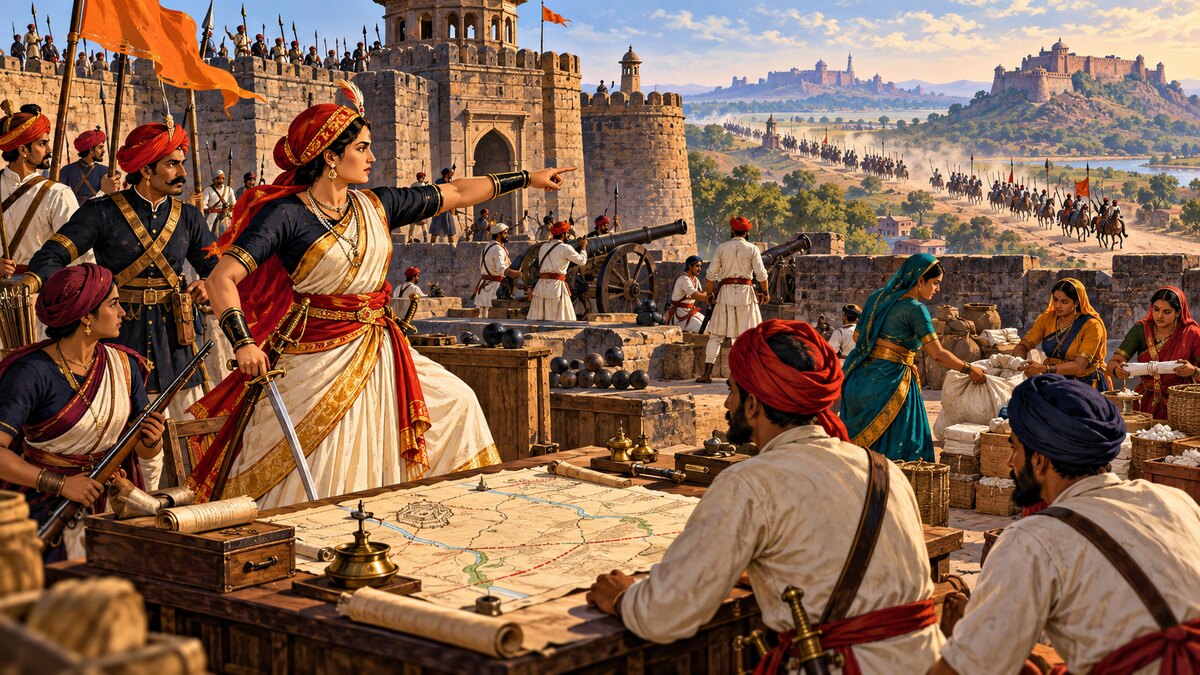
1857 తిరుగుబాటు ఉత్తర, మధ్య భారతదేశంలో విస్తరించినప్పుడు ఝాన్సీ కూడా తీవ్ర కల్లోలంలో పడింది. రాణి పట్టణ పరిపాలన, రక్షణ, supplies, fort preparednessపై దృష్టి పెట్టింది. ఆమె నాయకత్వంలో పురుషులతో పాటు మహిళల పాత్రను కూడా ప్రజాస్మృతి బలంగా గుర్తుంచుకుంది. అయితే ప్రతి named regiment, ప్రతి dialogue గురించి later popular accounts ఒకేలా ఉండవు; నిర్ధారించలేని వివరాలను factగా చెప్పకూడదు.
ఝాన్సీ ముట్టడి
1858లో British forces ఝాన్సీని ముట్టడించాయి. కోట రక్షణలో artillery, fortified positions, local fighters కీలకమయ్యాయి. Ministry of Culture repository రాణి defence preparations, Tatya Topeతో coordination, తరువాతి పోరాటాలను నమోదు చేస్తుంది. తీవ్రమైన దాడి మధ్య ఝాన్సీ నిలవలేకపోయింది. రాణి తన దత్తపుత్రుడితో కోట నుంచి బయటపడి Kalpi వైపు వెళ్లిందని చారిత్రక accounts పేర్కొంటాయి.
Kalpi నుంచి Gwalior వరకు
Kalpiలో ఇతర rebel leadersతో కలిసిన ఆమె, పరాజయం తరువాత కూడా పోరాటాన్ని నిలిపివేయలేదు. Rebels Gwaliorను స్వాధీనం చేసుకున్న సమయంలో ఆమె మళ్లీ సైనిక నాయకత్వంలో నిలిచింది. 1858 జూన్లో Kotah-ki-Serai సమీప పోరులో ఆమె మరణించింది. ఆమె వయసు గురించి accountsలో చిన్న తేడాలు కనిపించినా, ఆమె చాలా యువ వయసులోనే మరణించిందన్న విషయం స్పష్టం.
Strategy మరియు leadership
లక్ష్మీబాయి ప్రతీకాత్మక ధైర్యమే కాదు. Siege conditionsలో resources, fort, fighters, alliances, retreat—అన్నింటిపై నిర్ణయాలు తీసుకోవాల్సి వచ్చింది. ఆమె leadershipలో ముఖ్యమైన అంశం adaptation: legal petition నుంచి administrationకు, administration నుంచి armed defenceకు, fort loss తర్వాత mobile resistanceకు మారింది.
చారిత్రక వాస్తవం మరియు ప్రజాస్మృతి
Documented: మణికర్ణికగా బాల్యం, గంగాధర్ రావుతో వివాహం, దామోదర్ రావు దత్తత, Doctrine of Lapse వివాదం, Jhansi siege, Kalpi–Gwalior campaign, 1858లో మరణం. Popular memory: exact battlefield dialogues, కొన్ని escape details, specific named companionsపై versions మారుతాయి. ఆమెను గౌరవించడం కోసం legendను factగా మార్చాల్సిన అవసరం లేదు; documented leadershipే అసాధారణం.
ఎలా గుర్తుంచుకున్నారు?
లక్ష్మీబాయి 1857 resistanceకు అత్యంత శక్తివంతమైన ప్రతీకల్లో ఒకరిగా నిలిచారు. Poems, memorials, institutions, public commemorations ఆమెను స్మరిస్తాయి. మహిళా నాయకత్వం, colonial authorityకు ప్రతిఘటన, defeat తర్వాత కూడా strategic persistence—ఇవి ఆమె చారిత్రక స్థానాన్ని నిలబెట్టాయి.
🌱 మానవ వికాస కోణం
- Grief to responsibility: వ్యక్తిగత నష్టం వచ్చినప్పటికీ public dutyను కొనసాగించడం.
- Adaptability: ఒక మార్గం మూసుకుపోతే విలువలను వదలకుండా strategy మార్చడం.
- Preparedness: crisis వచ్చిన తరువాత leadership మొదలవదు; supplies, training, trust ముందే నిర్మించాలి.
- Dignity: power లేకపోయినా self-respectతో negotiation చేయడం; అవసరమైతే resistanceకు సిద్ధపడటం.
🌱 జీవిత పాఠం
నాయకత్వం అంటే భయం లేకపోవడం కాదు; భయానికి మించిన బాధ్యతను ఎంచుకోవడం. లక్ష్మీబాయి నుంచి నేటి యువత తీసుకోవాల్సింది యుద్ధాన్ని romanticise చేయడం కాదు—అన్యాయం ఎదురైతే preparation, adaptability, collective trustతో నిలబడటం.
మూలాలు
One Freedom Fighter a Day — Day 7
Rani Lakshmibai: turning personal loss into public leadership
Rani Lakshmibai was born Manikarnika in Varanasi, according to an Uttar Pradesh government profile. After losing her mother early, she grew up under the care of her father Moropant Tambe and was exposed to riding and martial skills. She became Lakshmibai after marrying Gangadhar Rao, the Maharaja of Jhansi.
The succession crisis
Their infant son died, and the royal couple later adopted Damodar Rao. After Gangadhar Rao’s death, the East India Company refused to recognise the adopted heir under the Doctrine of Lapse and moved to annex Jhansi. The dispute was not merely personal: it concerned treaty, sovereignty and colonial intervention in local succession.
From administration to defence
When the 1857 uprising spread, Jhansi entered a period of violence and political instability. Lakshmibai had to manage administration, supplies and fort preparedness. Public memory strongly associates women as well as men with the defence, although exact unit names and many quotations differ across later retellings.
The siege and mobile resistance
British forces besieged Jhansi in 1858. Fortifications, artillery and local fighters sustained the defence, but the city eventually fell. Historical accounts describe Lakshmibai leaving with her adopted son and moving toward Kalpi. She joined other rebel leaders and, after another defeat, remained active in the campaign that reached Gwalior.
She died in fighting near Kotah-ki-Serai in June 1858. Accounts vary slightly about her exact age and the finest details of the last encounter, but agree that she died very young while resisting colonial forces.
Leadership and strategy
Lakshmibai’s significance is not only symbolic courage. Under siege she faced decisions about resources, alliances, fort defence and retreat. Her strategy changed with circumstances: from legal representation to administration, from administration to armed defence, and after the fort’s loss to mobile resistance.
Documented history and popular memory
Documented: her early identity as Manikarnika, marriage, adoption of Damodar Rao, the Doctrine of Lapse dispute, the Jhansi siege, Kalpi–Gwalior campaign and death in 1858. Popular memory: exact battlefield dialogue, some escape details and named companions vary. Her documented leadership is remarkable without turning every later legend into fact.
Historical significance
Poetry, memorials, institutions and public commemorations made Lakshmibai one of the most enduring symbols of 1857. Women’s leadership, resistance to colonial authority and strategic persistence after defeat define her place in public memory.
🌱 Human Development Perspective
She demonstrates responsibility after grief, adaptation without abandoning values, preparation before crisis, and dignity even when formal power is denied. Leadership is not the absence of fear; it is choosing a responsibility larger than fear.
🌱 Life Lesson
When a just path closes, change the strategy without surrendering the principle. The modern lesson is not to romanticise war, but to meet injustice with preparation, adaptability and collective trust.
Sources
I Reflect. You Respond.
#MVRTalks #FreedomFighters #RaniLakshmibai #Jhansi #RevoltOf1857 #IndianHistory #Leadership #HumanDevelopment #IReflectYouRespond