
తెలుగు
ప్రారంభ జీవితం: సంప్రదాయం నుంచి స్వతంత్ర ఆలోచనకు
మౌలానా అబుల్ కలాం ఆజాద్ 1888 నవంబర్ 11న మక్కాలో జన్మించారు. 1890లో కుటుంబం Calcuttaకు తిరిగి వచ్చింది. పండితుల కుటుంబంలో పెరిగిన ఆయనకు Arabic, Persian, Islamic theologyలో ఇంటి వద్ద కఠిన విద్య లభించింది. తరువాత English, world history, politics, mathematics వంటి విషయాలను self-study ద్వారా అభ్యసించారు. “Azad”—స్వతంత్రుడు—అనే pen nameను ఎంచుకోవడం ఆయన మానసిక స్వేచ్ఛకు సంకేతం.
యువకుడిగా West Asia పర్యటనలు, anti-colonial మరియు reformist ఆలోచనల పరిచయం, భారతదేశంలోని communal divisions ఆయన రాజకీయ అవగాహనను తీర్చిదిద్దాయి. Freedom అంటే కేవలం విదేశీ పాలకుడు వెళ్లిపోవడం కాదు; మనసు, జ్ఞానం, సమాజం సంకుచిత గోడల నుంచి బయటపడటం అని ఆయన భావించారు.
కలం ఉద్యమంగా మారిన వేళ
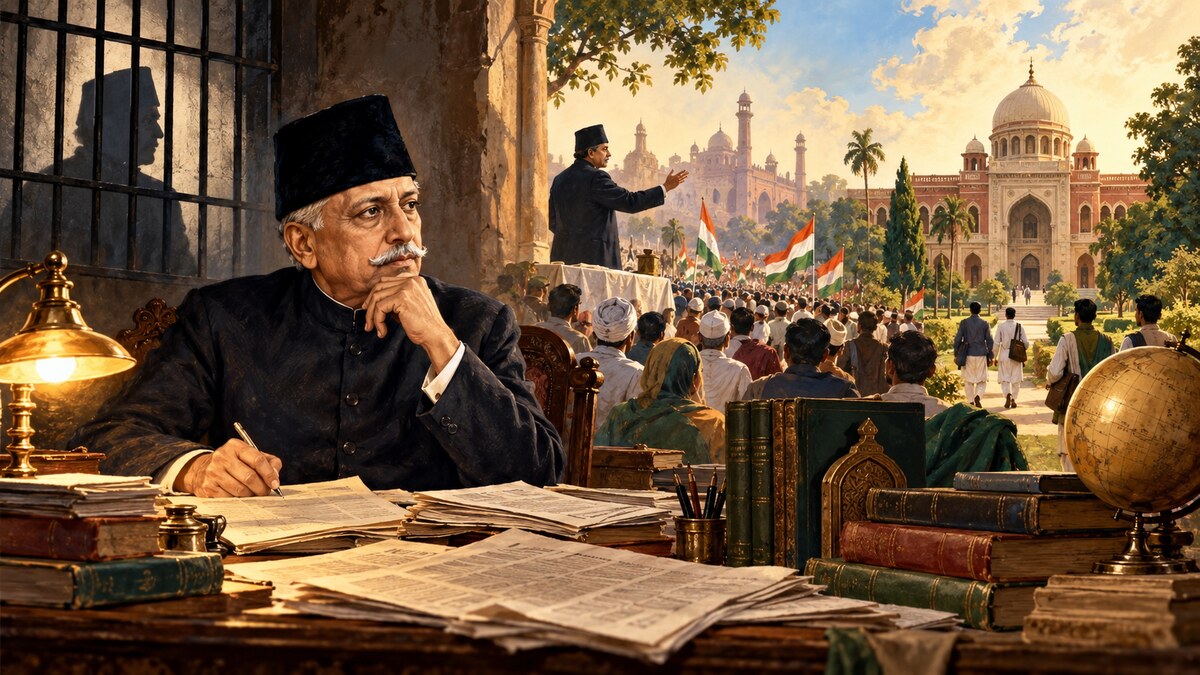
1912లో Calcutta నుంచి Urdu weekly Al-Hilalను ప్రారంభించారు. అది వార్తాపత్రిక మాత్రమే కాదు—colonial ruleపై విమర్శ, Indian nationalism, Hindu-Muslim unity, political awakeningకు వేదిక. దాని ప్రభావాన్ని British government ప్రమాదంగా చూసింది. 1914లో Al-Hilalను నిషేధించింది. ఆజాద్ Al-Balaghను ప్రారంభించారు; 1916లో దానినీ నిషేధించి, Calcutta నుంచి బయటకు పంపి Ranchiలో intern చేశారు. 1920 వరకు ఆయన స్వేచ్ఛ పరిమితమైంది.
ఇది setback. ఆయన స్పందన మరింత తీవ్రమైన ద్వేషం కాదు; ప్రజా రాజకీయాల్లోకి మరింత స్పష్టంగా ప్రవేశించడం. విడుదల తర్వాత Khilafat, Non-Cooperation ఉద్యమాలకు మద్దతు ఇచ్చి Indian National Congressలో చురుకయ్యారు. 1923 Delhi special sessionలో Congress presidentగా ఎన్నికయ్యారు. 1930 Salt Satyagraha సందర్భంలో మళ్లీ అరెస్టయ్యారు.
నాయకత్వం: స్వాతంత్ర్య పోరాటం మధ్య ఐక్యత
1940 Ramgarh session నుంచి 1946 వరకు Congress presidentగా ఉన్న కాలం అత్యంత కఠినమైనది. రెండో ప్రపంచ యుద్ధం, Quit India ఉద్యమం, నాయకుల అరెస్టులు, అధికార బదిలీ చర్చలు—ఇవన్నీ ఈ దశలో జరిగాయి. ఆజాద్ partitionకు వ్యతిరేకంగా నిలిచారు. Religious identity ఆధారంగా దేశ విభజన, భారతీయుల సహజీవన భవిష్యత్తును బలహీనపరుస్తుందని భావించారు.
ఆయన ప్రతి political judgement విజయవంతమైందని చెప్పడం చరిత్రను సరళీకరించడం అవుతుంది. Partitionను ఆపలేకపోయారు. కానీ plural India కోసం చేసిన వాదన ఆయన legacyలో కేంద్రంగా నిలిచింది. ఓటమి వచ్చినా విలువను విడిచిపెట్టకుండా ప్రజా బాధ్యతను కొనసాగించడం ఆయన leadershipలో ముఖ్య లక్షణం.
జైలు, ఒంటరితనం, వ్యక్తిగత ధర
British ruleలో పలు మార్లు అరెస్టు, internment, censorship ఎదుర్కొన్నారు. Ahmednagar Fortలో నిర్బంధ సమయంలో రాసిన లేఖలు తరువాత Ghubar-e-Khatirగా ప్రసిద్ధి చెందాయి. ఉద్యమం అనే headline వెనుక చదువు, రచన, ఆత్మపరిశీలనతో ఒంటరితనాన్ని మానసిక పతనంగా కాకుండా intellectual disciplineగా మార్చిన మనిషి కనిపిస్తాడు.
స్వాతంత్ర్యం తర్వాత: విద్యను స్వేచ్ఛకు మౌలిక సదుపాయంగా చూడటం
1947లో స్వతంత్ర భారతదేశపు తొలి Education Ministerగా బాధ్యత స్వీకరించి 1958 వరకు పనిచేశారు. Universal primary education, girls’ education, technical and vocational learning, universities, arts and cultureపై దృష్టి పెట్టారు. Indian Council for Cultural Relations, national academies, higher education and scientific institutionsకు ఆయన కాలంలో బలమైన పునాదులు ఏర్పడ్డాయి. స్వాతంత్ర్యం ballotతో మాత్రమే నిలవదు; educated citizens, cultural confidence, scientific temperతో నిలుస్తుందని ఆయన దృక్కోణం.
Strategy మరియు leadership
- Ideas: పత్రిక ద్వారా ప్రజా చైతన్యం.
- Alliance: మతాల మధ్య ఐక్యతను political necessityగా మాత్రమే కాకుండా ethical commitmentగా చూడటం.
- Endurance: ban, arrest వచ్చినప్పుడల్లా కొత్త medium లేదా public roleను ఎంచుకోవడం.
- Institution: స్వాతంత్ర్యం తర్వాత education systems ద్వారా freedomను తరతరాలకు అందించడం.
🌱 మానవ వికాస కోణం
ఆజాద్ జీవితం ఒక గొప్ప మార్పును చూపిస్తుంది: scholar నుంచి journalist, journalist నుంచి mass leader, leader నుంచి institution-builder. Identityని ఒకే పాత్రలో బంధించకుండా, కాలం అడిగిన బాధ్యతకు skillను మలచడం human developmentలో ముఖ్యమైన సామర్థ్యం.
🌱 జీవిత పాఠం
స్వేచ్ఛను కోరే వ్యక్తి ముందుగా ఆలోచనలో స్వతంత్రుడవాలి; భిన్నతను శత్రుత్వంగా కాకుండా సంభాషణగా చూడాలి; విజయం ఆలస్యమైనా knowledge-building ఆపకూడదు. దేశ నిర్మాణం protestతో ప్రారంభమవచ్చు—కానీ school, book, institutionతో నిలుస్తుంది.
English
Early life and intellectual formation
Maulana Abul Kalam Azad was born in Mecca on 11 November 1888 and moved with his family to Calcutta in 1890. Educated at home in Arabic, Persian and Islamic scholarship, he also taught himself English, world history, politics and other modern subjects. His chosen pen name, “Azad”—free—signalled freedom from intellectual narrowness.
Journalism as resistance
In 1912 he launched the Urdu weekly Al-Hilal, using journalism to connect anti-colonial politics, Indian nationalism and Hindu-Muslim unity. The colonial government banned it in 1914. He responded with Al-Balagh; that too was banned, and in 1916 he was expelled from Calcutta and interned in Ranchi until 1920.
After release he entered mass politics through the Khilafat and Non-Cooperation movements and the Indian National Congress. He presided over the Congress special session in Delhi in 1923, was jailed during the civil-disobedience era, and served as Congress president from the Ramgarh session of 1940 until 1946.
Unity, hardship and an incomplete political goal
Azad strongly opposed Partition and argued for a plural India. He did not succeed in preventing division, and history should not disguise that setback. His significance lies partly in continuing to defend coexistence even when the political outcome moved against him. Repeated censorship, arrest and internment imposed a personal cost, yet he turned confinement into study and writing rather than intellectual retreat.
Education as freedom's infrastructure
From 1947 to 1958, Azad served as independent India's first Education Minister. He advocated universal primary education, education for girls, technical and vocational learning, universities, science, arts and cultural institutions. For him, political independence required educated citizens, scientific temper and cultural confidence.
🌱 Human Development Perspective
Azad repeatedly changed form without abandoning purpose: scholar, journalist, mass leader and institution-builder. Growth often means translating the same core values into the role a new moment demands.
🌱 Life Lesson
Freedom begins in thought, grows through dialogue across difference, survives hardship through disciplined learning, and becomes durable through institutions. Protest can open a nation; schools, books and public systems help it remain free.
Sources / ఆధారాలు
- Maulana Abul Kalam Azad Institute of Asian Studies — Short Biography
- Indian Council for Cultural Relations — Maulana Abul Kalam Azad
- PIB — Maulana Abul Kalam Azad: Educationist and Scholar
I Reflect. You Respond.
#MVRTalks #FreedomFighters #MaulanaAzad #IndianIndependence #Education #Unity #HumanDevelopment #IReflectYouRespond