
తెలుగు
హోగ్లా గ్రామం నుంచి ప్రజా ఉద్యమం వరకు
మాతంగిని హాజ్రా జీవితం గురించి archiveలో అన్ని వివరాలు సమానంగా లేవు. అధికారిక, సంస్థాగత వనరులు ఆమె 19వ శతాబ్దం చివరలో మేదినీపూర్ ప్రాంతంలోని హోగ్లా గ్రామంలో పేద రైతు కుటుంబంలో జన్మించిందని, చిన్న వయసులో వివాహమై త్వరలోనే విధవరాలైందని చెబుతాయి. పుట్టిన సంవత్సరం 1869 లేదా 1870గా వేర్వేరు రికార్డుల్లో కనిపిస్తుంది. ఖచ్చితంగా తెలిసేది—ఆమె సామాజిక అంచుల నుంచి వచ్చి, ప్రజా సేవ ద్వారా తన నాయకత్వాన్ని నిర్మించుకుంది.
ఆమెకు elite education, office, wealth ఏవి లేవు. గ్రామజీవితం, పేదరికం, widowhood ఆమెను public life నుంచి దూరం చేయలేదు. Khadi, Gandhian discipline, స్థానిక సేవ—ఇవి ఆమె రాజకీయ పాఠశాల. అందుకే ప్రజలు ప్రేమగా “గాంధీ బురి”—వృద్ధ గాంధేయురాలు—అని పిలిచారు.
సివిల్ డిస్ఓబీడియన్స్లో అడుగు
1930ల ప్రారంభంలో Civil Disobedience ఉద్యమంలో పాల్గొన్న ఆమె Salt Lawను ఉల్లంఘించినందుకు అరెస్టైంది. విడుదలైన తరువాత కూడా Chowkidari Tax వ్యతిరేక నిరసనల్లో పాల్గొంది. మళ్లీ అరెస్టై జైలు శిక్ష అనుభవించింది. అధికారిక Government of West Bengal college biography ప్రకారం Baharampurలో ఆరు నెలలు నిర్బంధంలో ఉంది. 1933లో Congress సమావేశ సమయంలో police lathi chargeలో గాయపడినా కార్యకలాపాలను నిలిపివేయలేదు.
ఈ దశలో ఆమె strategy armed confrontation కాదు. Gandhi-inspired mass mobilisation—ఖాదీ, పన్ను నిరాకరణ, ఊరేగింపు, ప్రజలకు సేవ, మహిళల భాగస్వామ్యం. Smallpox వంటి కష్టకాలంలో సేవ చేసినట్లు regional accounts చెబుతాయి. Political legitimacyను కేవలం ప్రసంగంతో కాదు, రోజువారీ సేవతో సంపాదించింది.
1942: Quit India మరియు Tamluk
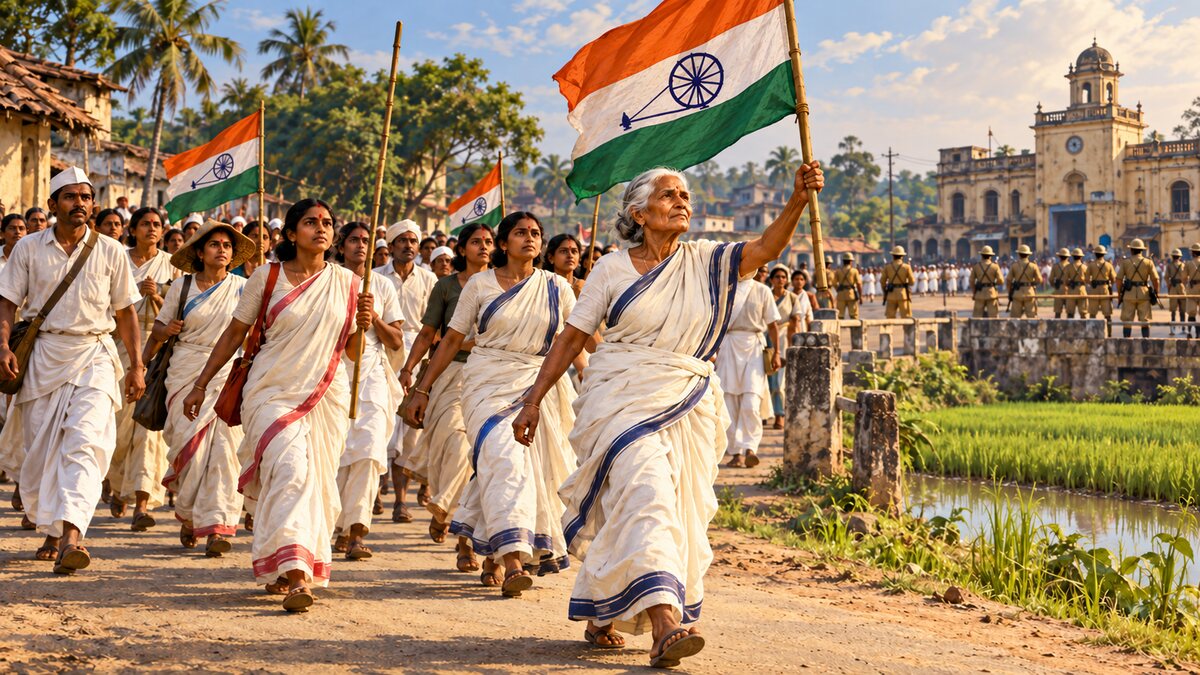
1942 ఆగస్టులో Quit India పిలుపు తర్వాత మేదినీపూర్లో ఉద్యమం స్థానిక ప్రజా నిర్మాణాలను సవాలు చేసే స్థాయికి చేరింది. Tamluk ప్రాంతంలో police stations, courts మరియు administrative officesపై ప్రజా నియంత్రణ సాధించాలనే కార్యాచరణలు జరిగాయి. 29 సెప్టెంబర్ 1942న మాతంగిని ఒక పెద్ద processionలో ముందుభాగంలో నడిచింది. అనేక వనరులు వేలాది మంది, ముఖ్యంగా మహిళా volunteers, పాల్గొన్నారని చెబుతాయి.
పోలీసులు processionను ఆపారు. Ministry of Culture–ICHR Dictionary of Martyrs entry ప్రకారం, కాంగ్రెస్ జెండా పట్టుకున్న మాతంగిని firingలో మరణించింది; Tamluk–Midnapore ప్రాంతంలోని Quit India ఉద్యమపు తొలి martyrగా నమోదు చేసింది. ఇది మనకు లభించే authoritative core fact.
Fact మరియు popular memory
ఆమె గాయపడిన తరువాత కూడా “వందే మాతరం” పలుకుతూ, జెండాను పైకి ఉంచి ముందుకు నడిచిందని ప్రజా జ్ఞాపకాలు, తర్వాతి accounts విస్తృతంగా చెబుతాయి. ఈ కథ ఆమె ధైర్యాన్ని ప్రజల మనసులో నిలబెట్టింది. అయితే bullet sequence, చివరి మాటల వంటి సూక్ష్మ వివరాలు వనరులవారీగా మారుతాయి. అందుకే వాటిని documented core నుంచి వేరు చేసి popular remembranceగా పేర్కొనాలి.
Strategy మరియు నాయకత్వం
మాతంగిని నాయకత్వం age లేదా formal titleపై ఆధారపడలేదు. ఆమె మూడు assets నిర్మించింది: local trust, visible personal risk, moral consistency. Marchలో ముందుండటం followersకు “నేను చెప్పేది మీరు చేయండి” కాదు—“నేను ముందుగా చేస్తాను” అనే సందేశం. అదే grassroots leadership.
చారిత్రక ప్రాధాన్యం, జ్ఞాపకం
ఆమె మరణం తర్వాత Tamlukలో ఉద్యమం ఆగలేదు; ప్రాంతీయ parallel government ఏర్పాటుకు దారితీసిన విస్తృత ఉద్యమ తరంగంలో ఆమె martyrdom ఒక powerful symbolగా నిలిచింది. స్వాతంత్ర్యం తర్వాత roads, local institutions, memorials ఆమె పేరును ధరించాయి; Department of Posts స్మారక stamp విడుదల చేసింది. 2015లో Tamluk ప్రాంతంలో మహిళల కోసం స్థాపించిన Government college ఆమె పేరును స్వీకరించడం, ఆమె కథను educationతో కలిపిన సజీవ జ్ఞాపకం.
🌱 మానవ వికాస కోణం
Leadershipకు “సరైన వయసు” ఉండదని ఈ కథ చెబుతుంది. వ్యక్తిగత నష్టం మనిషిని మూసివేయవచ్చు; కానీ అదే అనుభవాన్ని సామాజిక empathyగా మార్చుకోవచ్చు. Courage అంటే భయం లేకపోవడం కాదు—communityకి అవసరమైన సమయంలో విలువలతో ముందుకు అడుగు వేయడం.
🌱 జీవిత పాఠం
పదవి లేకుండానే విశ్వాసం సంపాదించవచ్చు; సంపాదించిన విశ్వాసాన్ని అత్యున్నత బాధ్యతగా మలచవచ్చు. సేవతో మొదలైన నాయకత్వం, సంక్షోభంలో ముందుండే నైతిక శక్తిగా మారుతుంది.
English
From rural hardship to public leadership
The archive does not preserve every detail of Matangini Hazra’s early life consistently. Institutional sources place her birth in 1869 or 1870 in a poor peasant family at Hogla near Tamluk. Married young and widowed early, she had neither elite education nor office. Her leadership grew through local service, khadi and Gandhian discipline.
Entering the freedom movement
In the early 1930s she joined Civil Disobedience, was arrested for violating the Salt Law and later protested the chowkidari tax. She endured imprisonment and was injured during police action at a Congress gathering. Yet she returned to public work. Her method was mass mobilisation and service rather than personal status—one reason local people called her Gandhi Buri.
The Tamluk march, 29 September 1942
After the Quit India call, the movement in Midnapore challenged colonial administrative control. On 29 September, Matangini walked at the front of a large procession toward Tamluk. Sources describe thousands of participants, many of them women. Police stopped the march and opened fire. The Ministry of Culture–ICHR Dictionary of Martyrs records that she was killed while firmly holding the Congress flag, and identifies her as the first Quit India martyr of Tamluk and Midnapore.
Documented fact and popular memory
Later public accounts say she continued forward, chanting “Vande Mataram” and keeping the flag high after being wounded. That remembrance powerfully conveys her courage, but details of the shots and final words vary. They are best identified as popular remembrance around a securely documented core: she led the procession, carried the flag and died in colonial police firing.
Leadership, sacrifice and legacy
Her authority rested on local trust, personal risk and moral consistency. She did not ask followers to go where she would not go first. Her death became a symbol within the wider mobilisation that produced the Tamralipta parallel government. Memorials, roads, a postage stamp and a government women’s college preserve her name.
🌱 Human Development Perspective
There is no expiry date for leadership. Personal hardship can narrow a life, or it can be transformed into empathy and service. Courage is not the absence of fear; it is movement aligned with values when a community needs someone to step forward.
🌱 Life Lesson
Trust can be earned without office, and earned trust can become the highest form of responsibility. Leadership that begins in service is most credible when it stands in front during crisis.
Sources
Dictionary of Martyrs, Vol. 4 · Azadi Ka Amrit Mahotsav · Government of West Bengal college biography
I Reflect. You Respond.