
మహాభారతంలో మానవ వికాసం — రోజు 16
అంబ మాటల్లో: నా బాధకు పేరు పెట్టిన ప్రశ్న
నేను అంబను.
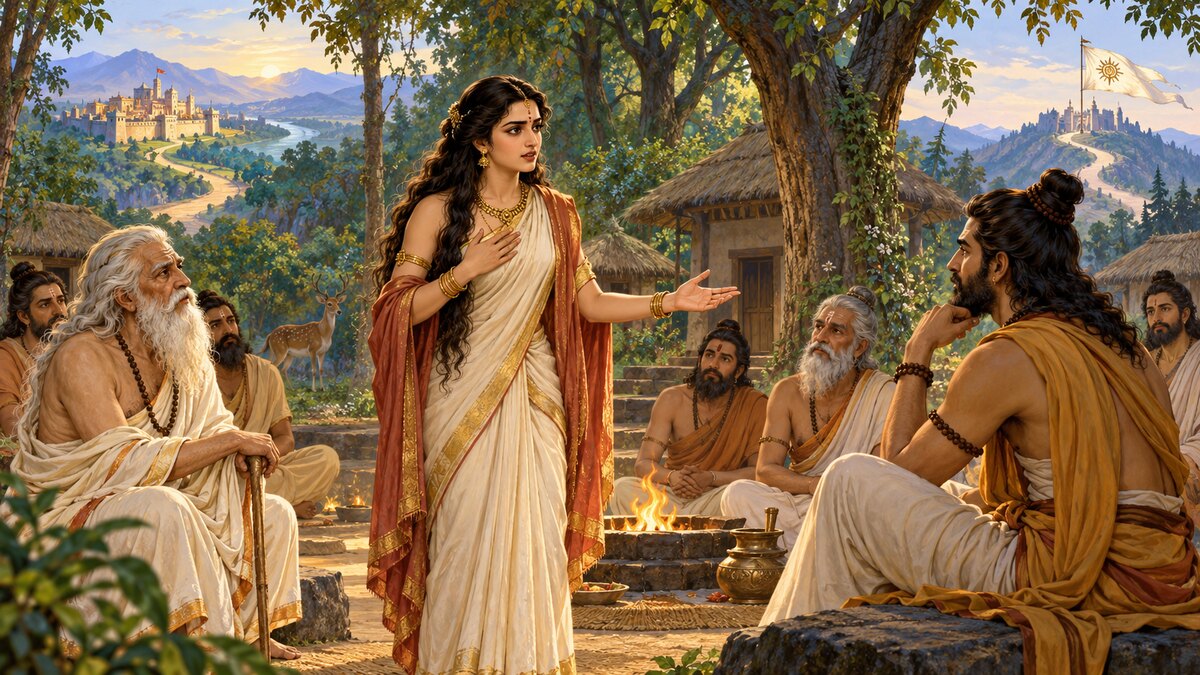
నా తాత హోత్రవాహనుడు నన్ను ఆదరించి, జామదగ్న్యుడైన పరశురాముని ఆశ్రయించమన్నాడు. ఆయన స్నేహితుడు అకృతవ్రణుడు ఆశ్రమానికి వచ్చాడు. నా కథ విన్న తరువాత అతడు నన్ను నేరుగా అడిగాడు:
“నీ రెండు బాధల్లో ఏదికి పరిష్కారం కావాలి? శాల్వుడు నిన్ను వివాహం చేసుకునేలా పరశురాముడు చెప్పాలనుకుంటున్నావా? లేక భీష్ముడు యుద్ధంలో ఓడిపోవాలని కోరుతున్నావా? నీ కోరిక ఏదో స్పష్టంగా చెప్పు.”
ఆ ప్రశ్న నా ముందు రెండు మార్గాలను ఉంచింది. నేను అతనికి నిజం చెప్పాను. భీష్ముడు నా మనసు శాల్వునికి ఇచ్చిన సంగతి తెలియకుండానే నన్ను కాశీ స్వయంవరం నుంచి తీసుకెళ్లాడు. తరువాత నేను శాల్వుని వద్దకు వెళ్లాను. అతడు నన్ను అనుమానించి తిరస్కరించాడు. నా దుఃఖానికి మూలం ఒక్క చేతిలో లేదు; ఒకరి బలవంతపు చర్య, మరొకరి గౌరవభయం కలిసి నా జీవితాన్ని మూసేశాయి.
“ధర్మానికి తగినది ఏదో మీరు నిర్ణయించండి,” అన్నాను. “భీష్ముడా, శాల్వుడా, ఇద్దరా—నా బాధకు కారణమైనవారిపై తగిన చర్య తీసుకోండి.”
అకృతవ్రణుడు నా మాటలు విని ఇలా అన్నాడు: “భీష్ముడు నిన్ను హస్తినాపురానికి తీసుకురాకపోయి ఉంటే, శాల్వుడు నిన్ను అనుమానించేవాడు కాదు. అతని అనుమానానికి మూలం భీష్ముడి బలప్రయోగమే. నీ ప్రతీకారం భీష్మునిపై పడాలి.”
అతని మాటలు నా అంతరంగంలో ఉన్న సంకల్పానికి రూపం ఇచ్చాయి. నేను చెప్పాను: “భీష్ముడు యుద్ధంలో పరాజయం పొందాలని నా హృదయంలోనూ కోరిక ఉంది. అయినా న్యాయాన్ని మీరు నిర్ణయించండి; నిజమైన అపరాధి ఎవరో అతడినే శిక్షించండి.”
మరుసటి దశ పరశురాముని సమక్షంలో ఉండబోతోంది. కానీ ఆ రాత్రి, మొదటిసారి, నా బాధ కేవలం శోకం కాదు—ఒక స్పష్టమైన అభ్యర్థనగా మారింది.
సంప్రదాయ గమనిక: ఈ కథ Mahabharata Udyoga Parva, Section CLXXIXలో అకృతవ్రణుడు–అంబ సంభాషణను అనుసరిస్తుంది. పరశురాముని రాక, భీష్మునితో సంభాషణ, యుద్ధం తరువాతి episodes; వాటిని ఇక్కడ ముందుకు తేవలేదు.
🌱 మానవ వికాస కోణం
Trauma తరువాత మనసు “అందరూ కారణమే” అనే diffuse బాధలో ఉండవచ్చు. Accountability కోసం sequenceను విడదీయాలి: మొదటి చర్య ఏమిటి? తరువాత ఎవరి నిర్ణయం నష్టాన్ని పెంచింది? ఎవరికెంత agency ఉంది? Remedy acceptance కావాలా, restoration కావాలా, apology కావాలా, prevention కావాలా?
అకృతవ్రణుని ప్రశ్న clarity ఇచ్చింది; కానీ అతని answer కూడా neutral కాదు—అతడు భీష్మునిపై blameను కేంద్రీకరించాడు. Advisor ప్రశ్నలు బాధితుని agencyను పెంచాలి; తన preferenceను quietly impose చేయకూడదు. Decision supportలో clarityతో పాటు bias-awareness అవసరం.
నేటి ఉదాహరణలు
- Workplace complaintలో event sequence, decision owners, evidenceను విడిగా నమోదు చేయడం.
- Relationship conflictలో “నాకు కావాల్సిన remedy ఏమిటి?” అని ముందుగా నిర్ణయించుకోవడం.
- Policy failureలో visible actorతో పాటు system incentivesను పరిశీలించడం.
🌱 జీవిత పాఠం
బాధకు పేరు పెట్టడం healingలో తొలి అడుగు; కానీ బాధ్యుడిని నిర్ణయించేటప్పుడు sequence, agency, evidenceను విడిగా చూడాలి. స్పష్టమైన remedy లేకపోతే anger దిశను నిర్ణయిస్తుంది; స్పష్టత ఉంటే న్యాయం దిశను నిర్ణయించగలదు.
మూలం
Mahabharata for Human Development — Day 16
In Amba’s voice: the question that gave my pain a name
I am Amba.
My grandfather Hotravahana comforted me and directed me toward Parashurama. When Akritavrana arrived at the hermitage and heard my account, he asked me directly: “Which of your two afflictions do you want remedied? Should Parashurama persuade Salva to marry you, or do you wish to see Bhishma defeated?”
I told him the whole truth. Bhishma had taken me from the swayamvara without knowing my heart belonged to Salva. Salva later rejected me in suspicion. One forceful act and another man’s fear of dishonour had together closed my future.
I asked them to decide what justice required—action against Bhishma, Salva or both. Akritavrana answered that Salva’s suspicion would not have arisen had Bhishma not carried me to Hastinapura, and urged that vengeance fall upon Bhishma.
His words gave form to a resolve already within me. I said that I too wished Bhishma defeated, yet asked them to punish the person they judged truly guilty. My sorrow had become a specific request.
Tradition note: This follows Udyoga Parva Section CLXXIX. Parashurama’s arrival, his exchange with Bhishma and the battle belong to later episodes.
🌱 Human Development Perspective
After harm, pain can remain diffuse. Accountability requires separating sequence, agency and remedy: what happened first, whose later choice deepened the damage, and whether the desired outcome is acceptance, restoration, apology or prevention.
Akritavrana’s question creates clarity, but his answer is not neutral—he concentrates blame on Bhishma. Advisors should help a harmed person recover agency without silently substituting their own preference.
Present-day relevance
Document the sequence and decision owners in a workplace complaint. In relationship conflict, identify the remedy before arguing fault. In public policy, examine system incentives as well as the visible actor.
🌱 Life Lesson
Naming the hurt is the first step toward healing; assigning responsibility requires sequence, agency and evidence. Without a clear remedy, anger chooses the direction. With clarity, justice can.
Source
I Reflect. You Respond.
#MVRTalks #Mahabharata #Amba #Akritavrana #Bhishma #Responsibility #HumanDevelopment #LifeLesson #IReflectYouRespond