
తెలుగు
1839 మార్చి 3న గుజరాత్లోని నవసారిలో జన్మించిన Jamsetji Nusserwanji Tata, తన కుటుంబ పూజారి సంప్రదాయానికి భిన్నంగా వ్యాపారంలో అడుగుపెట్టిన తండ్రి Nusserwanji ప్రభావంలో పెరిగాడు. 14 ఏళ్ల వయసులో Bombayకు వచ్చి Elphinstone Collegeలో చదివి, 1858లో “Green Scholar”గా విద్య పూర్తి చేశాడు. 1859లో తండ్రి trading businessలో చేరాడు. ఇది industrial empireతో మొదలైన కథ కాదు; మార్కెట్లు, సరుకు, నాణ్యత, risk నేర్చుకున్న apprenticeshipతో మొదలైన ప్రయాణం.
Idea: వ్యాపారం మాత్రమే కాదు—దేశ సామర్థ్యం
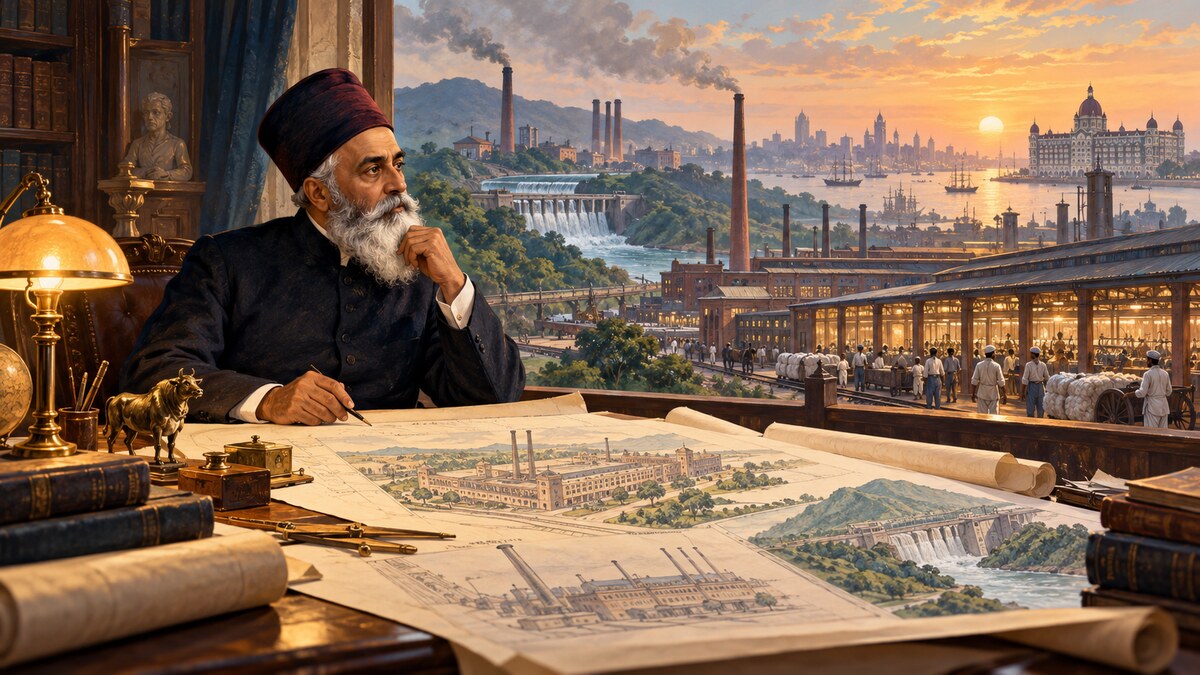
1868లో Jamsetji ₹21,000 capitalతో trading company ప్రారంభించాడు. కానీ అతని అసలు ఆలోచన import-export marginకంటే పెద్దది: భారతదేశం raw material supplierగా కాకుండా modern industry, science, power, skilled workకు కేంద్రంగా ఎదగాలి. 1874లో Central India Spinning, Weaving and Manufacturing Companyను స్థాపించి, 1877లో Nagpurలో Empress Mills ప్రారంభించాడు. Cotton-growing areas, railway access, water, fuelకు దగ్గరగా Nagpurను ఎంచుకోవడం location strategy ఎంత ముఖ్యమో చూపింది.
Early challenge మరియు turning point
Colonial Indiaలో finance, technology, market access భారతీయ పారిశ్రామికవేత్తలకు సులభం కాదు. Bombayనే textile industryకు సహజ స్థలం అన్న prevailing beliefను Jamsetji ప్రశ్నించాడు. Nagpur mill విజయంతో evidence-based location choice పనిచేసింది. అదే millలో ventilation, filtered water, dispensary, apprenticeship, pension fund, accident compensation, crèche వంటి worker-welfare practices ప్రవేశపెట్టడం మరో turning point. ఉద్యోగిని కేవలం labour costగా కాకుండా institutionలో భాగస్వామిగా చూసిన దృక్కోణం ఇది.
పూర్తికాని కలలు కూడా strategy అవుతాయి
Jamsetji జీవితాంతం మూడు పెద్ద ఆలోచనలపై పనిచేశాడు: world-class iron and steel company, hydroelectric power, scientific research university. ఇవి అతను 1904లో మరణించేలోపు పూర్తికాలేదు. కానీ feasibility studies, networks, endowments, successorsకు స్పష్టమైన directionను వదిలాడు. తరువాత Tata Steel, Tata Power, Indian Institute of Science రూపుదిద్దుకోవడానికి ఈ groundwork కీలకం అయింది. Entrepreneurshipలో founder అన్నింటినీ తన చేతులతో పూర్తి చేయకపోయినా, institutionకు బలమైన purpose, structure ఇవ్వగలడని ఇది చూపిస్తుంది.
Taj Mahal Hotel: standardను ఎత్తిన venture
1903లో Bombayలో ప్రారంభమైన Taj Mahal Hotel, Jamsetji జీవితకాలంలో సాకారమైన ప్రధాన venturesలో ఒకటి. “ఒక hotelలో Indianని అనుమతించలేదని Taj కట్టాడు” అనే కథ popular traditionగా వినిపిస్తుంది; Tata archival account దాన్ని legendగా పేర్కొంటుంది. ధృవీకరించదగిన విషయం: అతను Bombayకు world-class hotel standardను తీసుకురావాలని పెట్టుబడి పెట్టాడు.
Setbacksకు స్పందన
Jamsetji response pattern మూడు దశల్లో కనిపిస్తుంది: సమస్యను పరిశీలించడం, ప్రపంచం నుంచి technology/knowledge నేర్చుకోవడం, భారత పరిస్థితులకు సరిపోయే institution నిర్మించడం. Colonial constraintsను excuseగా నిలపలేదు; అదే సమయంలో reckless speedను కూడా ఎంచుకోలేదు. Steel dreamలో site, ore, coal, capital వంటి సమస్యలను సంవత్సరాలపాటు అధ్యయనం చేయించాడు.
Success principle
“Long-term national needను commercially disciplined institutionగా మార్చు.” Profit మరియు purposeను శత్రువులుగా కాకుండా, sustainable enterpriseకు రెండు అవసరాలుగా అతని ప్రయాణం చూపిస్తుంది.
యువతకు పాఠాలు
- Trendను follow చేయడానికి ముందు location, inputs, customersను dataతో పరిశీలించండి.
- People systems—training, safety, dignity—innovationలో భాగమే.
- మీ జీవితకాలాన్ని మించే లక్ష్యానికి documentation, succession, governance అవసరం.
- Failure లేదా delay వచ్చినప్పుడు visionను sloganగా కాకుండా project pipelineగా మార్చండి.
ఆలోచన ప్రశ్న
మీరు నిర్మిస్తున్న పని మీతోనే ముగిసిపోతుందా, లేక మీ తర్వాత కూడా సమాజానికి విలువ సృష్టించే institutionగా నిలుస్తుందా?
English
Born in Navsari on 3 March 1839, Jamsetji Tata moved to Bombay at 14, studied at Elphinstone College and joined his father's trading business in 1859. In 1868 he began a trading firm with ₹21,000. His larger idea was that India should not remain only a supplier of raw material; it needed modern industry, power, science and skilled work.
He launched the Central India Spinning, Weaving and Manufacturing Company in 1874 and opened Empress Mills in Nagpur in 1877. Choosing Nagpur for cotton, rail, water and fuel access challenged the prevailing Bombay-centred assumption. Worker welfare—ventilation, filtered water, medical support, apprenticeship, pension and accident compensation—became part of the operating model.
His three great later ambitions were steel, hydroelectric power and a world-class scientific institution. None was completed before his death in 1904, but his research, endowments and direction helped successors create Tata Steel, Tata Power and the Indian Institute of Science. The Taj Mahal Hotel, opened in 1903, was a major vision realised in his lifetime. The story that he built it after being denied entry elsewhere is widely repeated as legend; the verified point is his attempt to establish a global standard in Bombay.
Success principle
Turn a long-term national need into a commercially disciplined institution. Profit and public purpose endure when people, technology, governance and succession reinforce one another.
Youth lessons
- Test location and market assumptions with evidence.
- Treat training, safety and dignity as innovation.
- Build systems that can outlive the founder.
- Convert vision into a sequence of researched projects.
Reflective question: Is your work designed to end with you, or to keep creating value after you?
Sources / ఆధారాలు
- Tata Trusts — Early days of Jamsetji N. Tata
- Tata Group — Jamsetji Tata
- Tata Group — People First: Labour Welfare
I Reflect. You Respond.
#MVRTalks #RojukoEntrepreneur #JamsetjiTata #TataGroup #IndustrialVision #YouthLessons #IReflectYouRespond