
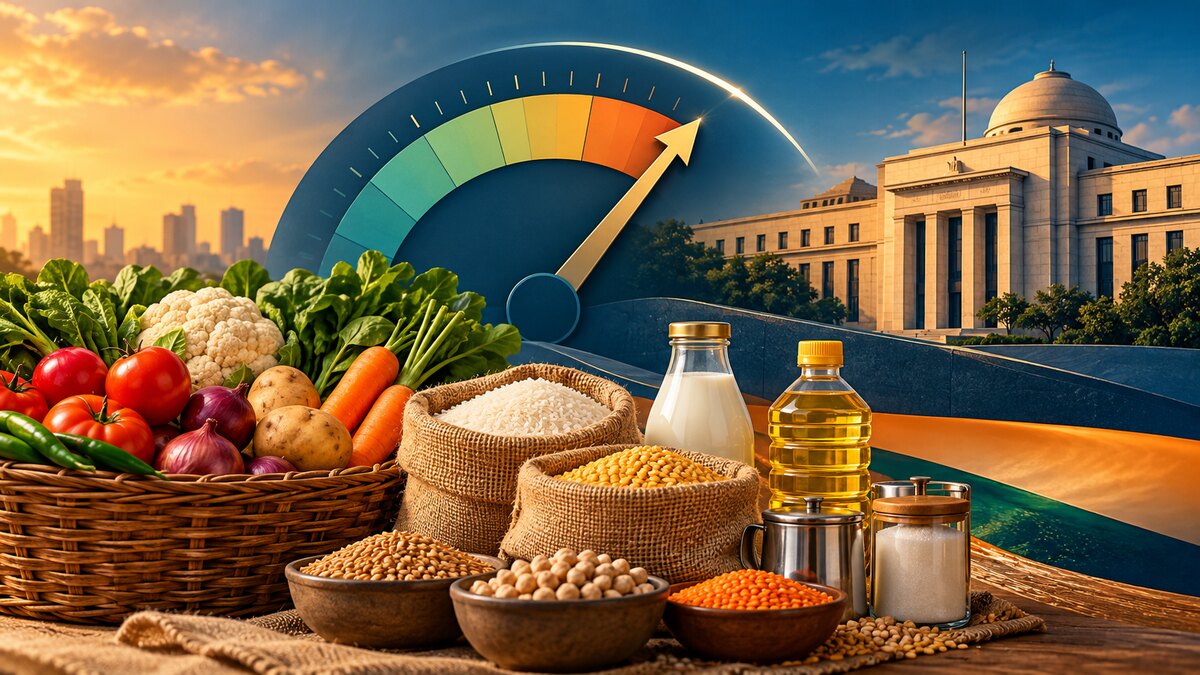
5.54% headline, 7.74% food inflation—కుటుంబ బడ్జెట్కు అసలు సంకేతం
MoSPI 12 October 2026న విడుదల చేసిన provisional data ప్రకారం, September 2026లో All-India Consumer Price Index inflation 5.54%. August final reading 4.83%తో పోలిస్తే ఇది స్పష్టమైన పెరుగుదల. అదే సమయంలో Consumer Food Price Index inflation 7.74%కు చేరింది; Augustలో అది 5.97%.
ఈ గణాంకాలు కొత్త CPI base 2024=100 seriesపై ఉన్నాయి. Combined index 109.49, food index 112.17గా నమోదయ్యాయి. Headline inflation ఇంకా RBI tolerance band పై అంచు 6%ను దాటలేదు; కానీ 4% medium-term targetకంటే గణనీయంగా ఎక్కువగా ఉంది.
Rural–urban gap ఎందుకు ముఖ్యం?
Official releaseలో rural headline inflation 6.08%, urban inflation 4.88%. Food inflation ruralలో 8.06%, urbanలో 7.18%. గ్రామీణ కుటుంబాల expenditureలో food share ఎక్కువగా ఉండటం, local supply chains, transport and seasonal availability వంటి కారణాలు shockను మరింత తీవ్రంగా అనుభవింపజేయవచ్చు.
ఒకే national number అందరి cost of livingను సమానంగా చూపదు. Low-income householdలో ఆహారం, transport, rent, medicine వంటి essential spending share ఎక్కువ. అందువల్ల 5.54% national CPI కన్నా వారి perceived inflation ఎక్కువగా ఉండవచ్చు.
Fact, interpretation రెండింటిని వేరు చేద్దాం
- Verified fact: CPI 5.54%, food inflation 7.74%, rural CPI 6.08%, urban CPI 4.88%.
- Verified context: Reuters poll median 5.4%; actual print దానికంటే కొంచెం ఎక్కువ.
- Interpretation: మరో rate hike ఖాయం కాదు. Future decision incoming inflation, growth, currency, crude prices, expectationsపై ఆధారపడుతుంది.
- Separate estimate: Reuters cited ICRA’s core-inflation estimate of 4.6%; అది MoSPI headline seriesలో నేరుగా ప్రకటించిన official core measure కాదు.
Rate hike inflationను ఎలా ప్రభావితం చేస్తుంది?
Higher policy rates loan demand, discretionary spending, credit creationను మందగించవచ్చు; rupee assetsకు support ఇచ్చి imported inflationపై కొంత relief ఇవ్వవచ్చు. కానీ onion, vegetable, cereal supply shortageను interest rate తయారు చేయదు. Food inflationకు storage, logistics, imports/exports, buffer stocks, weather response వంటి supply-side చర్యలు అవసరం.
అందుకే monetary tightening ఒక్కటే solution కాదు. Demand-driven inflationకు rate tool ఉపయోగకరం; supply shockకు targeted government response అవసరం. రెండు రకాల ఒత్తిడిని ఒకే prescriptionతో చూడటం policy error.
Households, businesses ఏమి చూడాలి?
- Food inflation next two monthsలో తగ్గుతుందా, persistentగా ఉంటుందా?
- Rural–urban gap narrow అవుతుందా?
- Transport and fuel costs services pricesలోకి pass-through అవుతున్నాయా?
- Wages inflationను catch up చేస్తున్నాయా, లేక real purchasing power తగ్గుతోందా?
- RBI communication inflation expectationsపై ఎంత కఠినంగా మారుతోంది?
నా అభిప్రాయం:
September print ఒక panic number కాదు; కానీ complacencyకి కూడా స్థలం లేదు. Food inflation 7.74%గా ఉండగా policy debateను headline CPIతో మాత్రమే ముగించకూడదు. RBI expectationsను anchor చేయాలి; ప్రభుత్వం food supply bottlenecksను address చేయాలి; public communicationలో provisional data, base effects, core estimatesను స్పష్టంగా వేరు చేయాలి. Rate hike చేసే ముందు household pain ఎక్కడి నుంచి వస్తోంది—demandనా, supplyనా—అది నిర్ణయాత్మకం.
India’s September inflation: what 5.54% really says
India’s official provisional CPI inflation rose to 5.54% in September 2026, from a final 4.83% in August. Food inflation accelerated to 7.74% from 5.97%. Rural headline inflation was 6.08%, against 4.88% in urban India; rural and urban food inflation were 8.06% and 7.18% respectively.
The data are on the new CPI base of 2024=100. Inflation remains below the RBI’s 6% upper tolerance bound, but well above its 4% medium-term target.
What is fact—and what is forecast?
The inflation readings and rural–urban split are official. The claim that another rate hike will follow is an interpretation, not a confirmed decision. The RBI must weigh persistence, inflation expectations, growth, the rupee and commodity prices. Reuters also cited ICRA’s estimate that core inflation rose to 4.6%; that is a private estimate rather than an official MoSPI core series.
Policy mix matters
Higher rates can cool credit and demand and may support the currency, but they cannot create food supply. Persistent food inflation needs logistics, storage, buffer-stock and trade responses. The right diagnosis is therefore more important than a reflexive single-tool response.
My assessment:
The September reading is not a crisis signal, but it is a warning against complacency. The RBI should protect expectations, while the government addresses food-supply bottlenecks. Any rate decision should distinguish demand pressure from supply shock and explain that distinction clearly to households and markets.
Sources
- MoSPI/PIB — CPI for September 2026, 12 October 2026
- MoSPI eSankhyiki — official indicators
- Reuters — inflation and policy context
I Reflect. You Respond.
#MVRTalks #IndianEconomy #Economy #EconomicAnalysis #Inflation #CPI #FoodInflation #RBI #CostOfLiving #IReflectYouRespond