
రాష్ట్ర ఆర్థిక వ్యవస్థను మరో కోణంలో కొలవాలనే ప్రయత్నం
2026 అక్టోబర్ 9న National Statistical Office (NSO), Ministry of Statistics and Programme Implementation (MoSPI), 2022–23 base yearతో expenditure-side Gross State Domestic Product (GSDP) అంచనాల కోసం draft guidelineను విడుదల చేసింది. ఇది final statistical series కాదు; అక్టోబర్ 28 వరకు stakeholders నుంచి feedback కోరిన ముసాయిదా.
ధృవీకరించిన విషయం: ఇప్పటివరకు రాష్ట్ర స్థాయి GSDP ప్రధానంగా production లేదా income side ఆధారంగా—అంటే వ్యవసాయం, పరిశ్రమ, సేవలు ఎంత value added సృష్టించాయి అన్న కోణంలో—కొలుస్తారు. కొత్త draft, అదే economyని demand side నుంచి కూడా చూడటానికి ఒక uniform frameworkను ప్రతిపాదిస్తోంది.
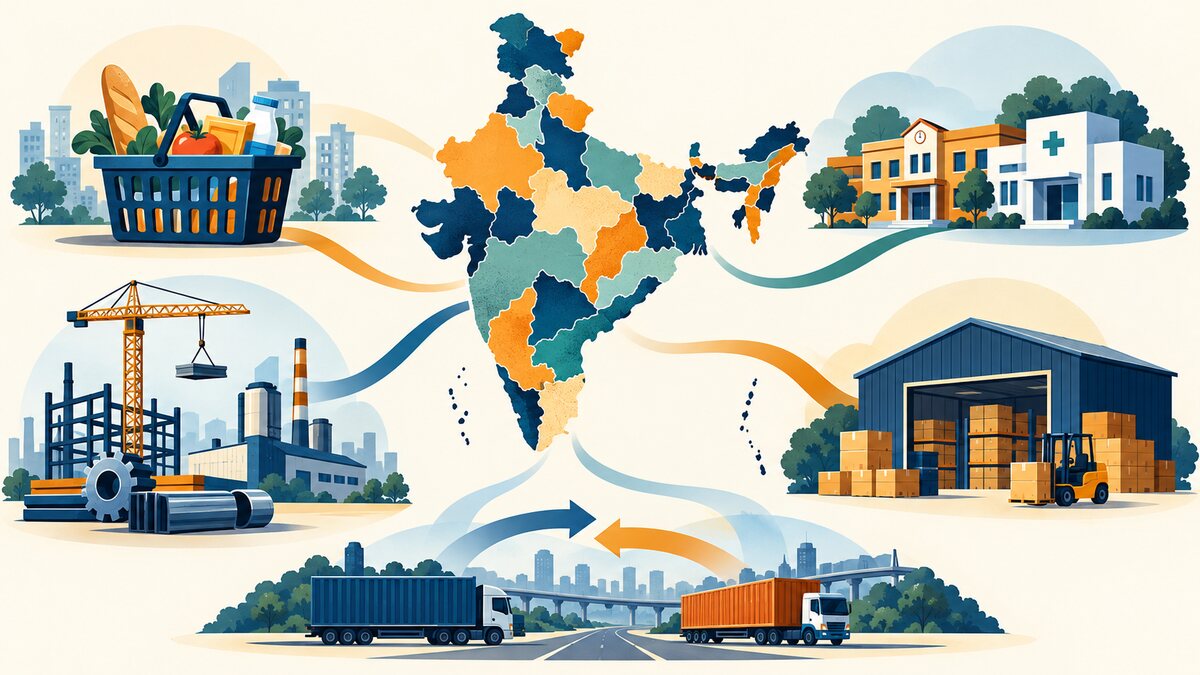
Expenditure approachలో ఏమేమి ఉంటాయి?
- PFCE: కుటుంబాలు చేసే తుది వినియోగ వ్యయం.
- GFCE: ప్రభుత్వ తుది వినియోగ వ్యయం—public services నిర్వహణకు సంబంధించిన ఖర్చు.
- GFCF: యంత్రాలు, భవనాలు, infrastructure వంటి స్థిర మూలధన నిర్మాణం.
- Changes in inventories: సంస్థల వద్ద stock పెరుగుదల లేదా తగ్గుదల.
- Valuables: విలువ నిల్వగా కొనబడే కొన్ని assets.
- Net exports: రాష్ట్ర సరిహద్దులు దాటి వెళ్లే goods and services inflows–outflows మధ్య balanceను అంచనా వేయడం.
MoSPI ప్రకారం కొన్ని States/UTs ఇప్పటికే GFCF లేదా GFCE అంచనాలు తయారు చేస్తున్నప్పటికీ, PFCE estimatesను ప్రస్తుతం ఏ State/UT కూడా compile చేయడం లేదు. అందుకే household consumptionను రాష్ట్ర స్థాయిలో consistentగా కొలవడం ఈ reformలో అత్యంత కఠినమైన భాగం.
ఇది ఎందుకు ముఖ్యం?
Production-side GSDP ఒక రాష్ట్రం ఏమి ఉత్పత్తి చేసిందో చెబుతుంది. Expenditure-side account ఆ ఉత్పత్తికి demand ఎక్కడి నుంచి వస్తోందో చూపగలదు. ఉదాహరణకు growth household consumption వల్ల వచ్చిందా, government spending వల్ల వచ్చిందా, private investment వల్ల వచ్చిందా, లేక బయటకు అమ్మకాల వల్ల వచ్చిందా అన్న ప్రశ్నలకు మెరుగైన framework లభిస్తుంది.
ఇది fiscal policyకూ ఉపయోగకరం. ఒక రాష్ట్రంలో investment బలంగా ఉన్నా household consumption బలహీనంగా ఉంటే policy response వేరుగా ఉండాలి. Government spending ఎక్కువైనా private capital formation వెనుకబడితే infrastructure నుంచి enterprise investmentకు transmissionను చూడాలి. అయితే ఇవన్నీ భవిష్యత్తులో reliable estimates వచ్చిన తరువాత చేసే analysis; draft విడుదల ఒక్కటే ఏ రాష్ట్రం బలంగా లేదా బలహీనంగా ఉందని నిరూపించదు.
State-to-State comparison నిజంగా సులభమవుతుందా?
Uniform definitions comparabilityను పెంచగలవు. కానీ data quality సమానంగా లేకపోతే common formula మాత్రమే సరిపోదు. Household expenditure, inter-state trade, e-commerce, services flows, multi-state companies’ investment, government assets వంటి అంశాలకు direct state data తరచుగా అందుబాటులో ఉండదు. Draft guideline direct data లేని చోట allocation indicators ఉపయోగించాలని సూచిస్తుంది. Indicator ఎంపిక తప్పితే estimateలో bias రావచ్చు.
ఆంధ్రప్రదేశ్ వంటి రాష్ట్రాలకు ఉపయోగం
Consumption, irrigation and infrastructure spending, manufacturing investment, ports ద్వారా trade, tourism and services demand—ఇవన్నీ ఒకే demand-side accounting frameలో చూడగలిగితే policy priorities మరింత స్పష్టమవుతాయి. Capital city లేదా corridor project ఖర్చును growthతో సమానంగా భావించకుండా, అది private investmentను ఆకర్షించిందా, household incomesను పెంచిందా, importsపై ఆధారాన్ని మార్చిందా అన్నది చూడవచ్చు.
చూడాల్సిన safeguards
- State-specific primary dataకు ప్రాధాన్యం ఇవ్వాలి; allocation formulaను transparentగా ప్రకటించాలి.
- Revisions, confidence limits, data gapsను usersకు స్పష్టంగా చూపాలి.
- Production-side మరియు expenditure-side estimates మధ్య discrepancyని దాచకుండా reconciliation table ఇవ్వాలి.
- Inter-state trade, digital services, informal consumption కొలతలకు common protocols అవసరం.
- Draftపై వచ్చిన feedback మరియు final guideline మధ్య మార్పులను public comparisonగా విడుదల చేయాలి.
నా అభిప్రాయం:
రాష్ట్ర growthపై చర్చలు తరచూ ఒకే GSDP headline చుట్టూ తిరుగుతాయి. Expenditure-side accounts అమలైతే “ఎంత వృద్ధి?”తో పాటు “ఆ వృద్ధిని ఎవరి ఖర్చు, ఎవరి పెట్టుబడి, ఏ demand నడిపింది?” అని అడగవచ్చు. ఇది మంచి reform—కాని methodology కన్నా data infrastructure, disclosure, independent scrutiny ముఖ్యమైనవి. Draftను ranking toolగా కాక statistical capacity-building stepగా చూడాలి.
A second lens on state economies
On 9 October 2026, the NSO under MoSPI released a draft guideline for expenditure-side GSDP estimates with base year 2022–23. It is not a final statistical series. Stakeholder feedback is invited until 28 October.
Verified fact: State GSDP is presently compiled mainly from the production or income side. The draft proposes a uniform demand-side framework covering household consumption (PFCE), government consumption (GFCE), fixed investment (GFCF), inventories, valuables and net exports.
MoSPI says some States and UTs compile GFCF or GFCE, but none currently compiles PFCE. That makes state-level household consumption one of the biggest data challenges.
What this could change
Production accounts show what a state produces. Expenditure accounts can show whether demand is driven by households, government, investment or external sales. This can improve fiscal diagnosis, investment planning and comparison across states.
Yet common definitions do not automatically create comparable data. Inter-state trade, digital services, informal consumption and multi-state investment are difficult to allocate. Where direct data are unavailable, allocation indicators must be transparent and tested for bias.
My assessment:
This is a valuable reform because it can move state-growth debate beyond one headline number. But the draft itself does not prove that any state is stronger or weaker. Its credibility will depend on primary data, transparent allocation methods, revision tables and disclosure of discrepancies with production-side GSDP.
Sources
- PIB — Draft guideline release, 9 October 2026
- MoSPI — Documents and draft guidelines
- MoSPI discussion paper — Methodological improvement in sub-national accounts
I Reflect. You Respond.
#MVRTalks #IndianEconomy #Economy #EconomicAnalysis #GSDP #StateEconomy #OfficialStatistics #DataReform #IReflectYouRespond