
రోజుకో స్వాతంత్ర్య సమరయోధుని కథ — Day 8
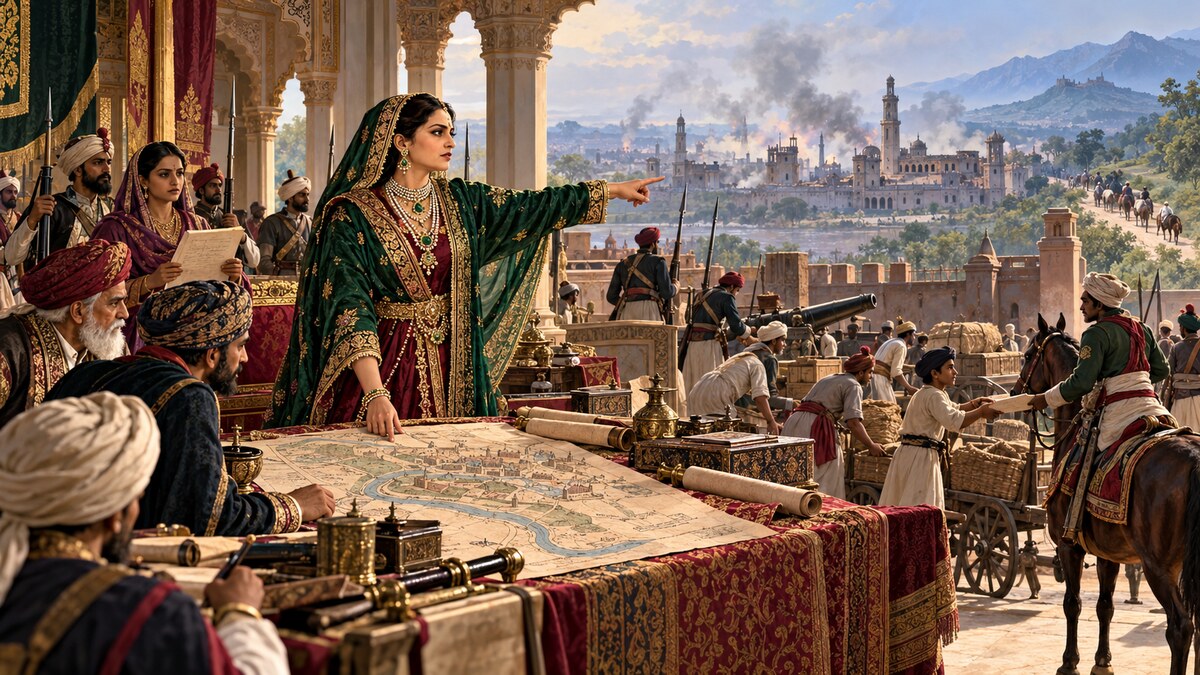
బేగం హజ్రత్ మహల్: అవధ్ రాజకీయాన్ని ప్రతిఘటనగా మార్చిన నాయకురాలు
బేగం హజ్రత్ మహల్ ప్రారంభ జీవితం గురించి later accountsలో విభిన్న కథనాలు ఉన్నాయి. కొన్ని ప్రభుత్వ profiles ఆమె 1820లో ఫైజాబాద్లో జన్మించిందని చెబుతాయి; contemporary documentation పరిమితం కావడంతో పేరు, కుటుంబ నేపథ్యం, రాజభవనంలోకి వచ్చిన విధానం గురించి historians జాగ్రత్తగా వ్యవహరిస్తారు. స్పష్టంగా తెలిసింది ఏమిటంటే ఆమె అవధ్ నవాబు వాజిద్ అలీ షా consortగా ఎదిగి, బిర్జిస్ ఖదర్కు తల్లయ్యారు.
అవధ్ annexation: వ్యక్తిగత విరహం నుంచి రాజకీయ సంక్షోభం
1856లో East India Company అవధ్ను annex చేసి వాజిద్ అలీ షాను Calcuttaకు పంపింది. Court displacementతో పాటు taluqdarలు, soldiers, artisans, peasants, urban workersపై administrative మరియు economic disruption వచ్చింది. ఇది ఒక్క రాజకుటుంబ అధికారం కోల్పోవడం మాత్రమే కాదు; భూమి హక్కులు, employment, patronage networks, local dignity అన్నీ దెబ్బతిన్న సంక్షోభం.
1857లో నాయకత్వ ప్రవేశం
1857 తిరుగుబాటు Lucknowకు చేరినప్పుడు Begum Hazrat Mahal వెనుకబడలేదు. తన చిన్న కుమారుడు Birjis Qadrను అవధ్ rulerగా ప్రకటించి, అతని పేరుతో పరిపాలన మరియు resistanceకు నాయకత్వం వహించారు. Ministry of Culture repository ఆమె ప్రజలను సమీకరించడం, battlefieldకు వెళ్లడం, British recordsలో కూడా ఆమె ధైర్యం గుర్తింపబడటం గురించి నమోదు చేస్తుంది.
సైన్యం మాత్రమే కాదు—పరిపాలన కూడా
Resistanceను నిలబెట్టడానికి proclamations, revenue, supplies, alliances, communication, local chiefs మద్దతు అవసరం. Begum political legitimacyను తన కుమారుడి పేరుతో నిర్మించినప్పటికీ, decision-makingలో ఆమె స్వయంగా కేంద్రంగా నిలిచారు. Lucknowలో religious మరియు social groupsను ఒకే resistance umbrella కింద ఉంచేందుకు ప్రయత్నించారు. ఇది battlefield courageతో పాటు coalition leadership.
Lucknow పతనం, కానీ సంకల్పం కాదు
British forces 1858లో Lucknowను తిరిగి స్వాధీనం చేసుకున్న తరువాత resistance చెల్లాచెదురైంది. Begum Hazrat Mahal తన కుమారుడితో ఉత్తర దిశగా వెనుదిరిగారు. Ministry account ప్రకారం Nepal దిశగా retreat సమయంలో కఠిన పరిస్థితులు ఎదురయ్యాయి. చివరకు Nepalలో ఆశ్రయం పొందారు. British offers లేదా allowancesకు బదులుగా surrenderను అంగీకరించలేదని DD News retrospective పేర్కొంటుంది.
Exileలో జీవితం
ఆమె మిగతా జీవితం Nepalలో గడిచింది. 1879 ఏప్రిల్ 7న మరణించారని Government of Lucknow మరియు DD News sources పేర్కొంటాయి. Kathmanduలో Jama Masjid సమీపంలోని ఆమె సమాధి exile priceను గుర్తు చేస్తుంది—రాజకీయ పరాజయం తరువాత సౌకర్యవంతమైన compromise కంటే స్వాభిమానంతో దూరంగా జీవించడం.
Strategy మరియు leadership
- Legitimacy: బాలరాజు Birjis Qadr పేరుతో fragmented resistanceకు రాజకీయ కేంద్రం ఇచ్చారు.
- Coalition: soldiers, landed elites, townspeople మధ్య shared causeను నిర్మించడానికి ప్రయత్నించారు.
- Presence: palaceలో మాత్రమే కాక fieldలో కూడా నాయకత్వం చూపారని contemporary British references కూడా సూచిస్తాయి.
- Persistence: capital కోల్పోయిన తరువాత కూడా retreat, regrouping, negotiation ద్వారా causeను కొనసాగించారు.
Documented fact మరియు later tradition
బలమైన ఆధారాలు ఉన్నవి: Wajid Ali Shahతో సంబంధం, Birjis Qadrకు తల్లి, 1857–58 Lucknow resistanceలో నాయకత్వం, Nepal exile, 1879లో మరణం. జాగ్రత్తగా చూడాల్సినవి: ప్రారంభ జీవితంలోని exact birthplace, birth name, palace-entry storyపై accounts మారుతాయి. ఆమెను గౌరవించడానికి uncertain origin storyను certaintyగా చెప్పాల్సిన అవసరం లేదు; documented public leadershipే అసాధారణం.
చారిత్రక ప్రాధాన్యం
1857 చరిత్రను కేవలం male military commanders కథగా చూడలేమని Begum Hazrat Mahal చూపించారు. ఆమె పాలన, alliance-building, resistance, exile—నాలుగూ colonial annexationకు మహిళా రాజకీయ నాయకత్వం ఇచ్చిన సమాధానం. Lucknowలో memorials, భారత ప్రభుత్వ commemorations, scholarship ఆమె జ్ఞాపకాన్ని కొనసాగిస్తున్నాయి.
🌱 మానవ వికాస కోణం
Formal throne లేకపోయినా legitimacyను service, courage, coordination ద్వారా నిర్మించవచ్చు. Crisisలో నాయకుడు ఒకే heroic act చేయడం కాదు; different groupsను కలపడం, supplies నిలబెట్టడం, setbacks తరువాత direction ఇవ్వడం. ఆమె జీవితం dignityకి ధర ఉంటుందని, leadership sometimes recognition కన్నా exileను ఎంచుకుంటుందని చూపిస్తుంది.
🌱 జీవిత పాఠం
స్థానం నాయకత్వాన్ని ఇవ్వదు; బాధ్యతను స్వీకరించిన తీరు నాయకత్వాన్ని నిర్మిస్తుంది. అధికార వ్యవస్థ కూలినప్పుడు కూడా విలువలు, alliances, public trustతో ఒక causeను నిలబెట్టవచ్చు.
మూలాలు
One Freedom Fighter a Day — Day 8
Begum Hazrat Mahal: turning the crisis of Awadh into political resistance
Accounts of Begum Hazrat Mahal’s early life differ. Some government profiles place her birth in Faizabad in 1820, while historians caution that contemporary documentation about her birth name, family and entry into the court is limited. What is clear is that she became a consort of Awadh’s ruler Wajid Ali Shah and the mother of Birjis Qadr.
Annexation and upheaval
The East India Company annexed Awadh in 1856 and sent Wajid Ali Shah to Calcutta. The disruption extended beyond a displaced court: landholders, soldiers, artisans, peasants and urban workers were affected by changes in administration, employment and patronage. Political loss became a broad social and economic crisis.
Leadership in 1857
When the uprising reached Lucknow, Hazrat Mahal placed her young son Birjis Qadr on the throne and led administration and resistance in his name. India’s Ministry of Culture records her mobilisation of people, presence in the field and courage noted even in British accounts.
Governance as resistance
Sustaining resistance required proclamations, revenue, supplies, alliances and communication—not only fighting. Although her son supplied dynastic legitimacy, she stood at the centre of decision-making. She worked to hold diverse religious and social groups within a common political cause: coalition leadership under siege.
Retreat and exile
After British forces retook Lucknow in 1858, she withdrew north with Birjis Qadr through severe conditions and eventually received refuge in Nepal. A DD News retrospective says she declined British inducements tied to submission. She lived in Nepal until her death on 7 April 1879; her tomb near Kathmandu’s Jama Masjid remains a reminder of the price of exile.
Strategy and historical significance
She created a centre of legitimacy around Birjis Qadr, built alliances among soldiers, landholders and townspeople, maintained visible leadership and persisted after losing the capital. Her life shows that 1857 was not solely a story of male battlefield commanders; it also involved women exercising political authority, administration and coalition-building.
Fact and later tradition
Well documented: her relationship to Wajid Ali Shah, motherhood of Birjis Qadr, leadership in Lucknow during 1857–58, exile in Nepal and death in 1879. Less certain: exact early-life details and palace-entry narratives vary. Her documented public leadership is extraordinary without presenting every later story as fact.
🌱 Human Development Perspective
Formal position does not automatically create leadership. Responsibility, coordination and public trust do. In crisis, leadership is not a single heroic gesture; it is the patient work of uniting groups, sustaining supplies and giving direction after setbacks. Hazrat Mahal also shows that dignity can carry a personal cost.
🌱 Life Lesson
Position may confer authority, but the manner in which responsibility is accepted creates leadership. Even after institutions collapse, values, alliances and trust can hold a cause together.
Sources
I Reflect. You Respond.
#MVRTalks #FreedomFighters #BegumHazratMahal #Lucknow #Awadh #RevoltOf1857 #WomenLeaders #IndianHistory #IReflectYouRespond