
బాల్యం నుంచి స్వతంత్ర ఆలోచన వరకు
అరుణా గంగూలీ 16 July 1909న Kalkaలో జన్మించారు. ఆమె బెంగాలీ కుటుంబానికి చెందినవారు; విద్యాభ్యాసం తరువాత ఉపాధ్యాయురాలిగా పనిచేశారు. తనకంటే వయస్సులో పెద్దవారైన న్యాయవాది, జాతీయవాది Asaf Aliని వివాహం చేసుకోవడం కుటుంబ–సామాజిక అభ్యంతరాలను ఎదుర్కొన్న స్వతంత్ర నిర్ణయం. ఈ వివాహం ద్వారా ఆమె జాతీయోద్యమ నాయకులు, Congress circlesతో మరింత సన్నిహితమయ్యారు.
స్వాతంత్ర్య ఉద్యమంలో ప్రవేశం
1930 Civil Disobedience మరియు Salt Satyagraha సమయంలో అరుణా ప్రజా ప్రదర్శనల్లో పాల్గొన్నారు. ఆమె అరెస్టయ్యారు. Gandhi–Irwin Pact తరువాత political prisoners విడుదలవుతున్నప్పుడు ఆమెను వెంటనే విడుదల చేయకపోవడం నిరసనకు దారితీసింది; ఇతర మహిళా ఖైదీలు కూడా ఆమె విడుదల వరకు వెళ్లబోమని నిలబడ్డారని ప్రభుత్వ స్మరణికలు నమోదు చేస్తున్నాయి.
జైలు ఆమెకు కేవలం శిక్షాస్థలం కాదు. ఖైదీల పరిస్థితులు, సమాన treatment, political dignityపై ఆమె ప్రతిఘటన కొనసాగింది. 1941 Individual Satyagrahaలో కూడా పాల్గొన్నారు. ఆమె strategyలో non-violent protest, institutional defiance, organisational discipline కలిసి కనిపిస్తాయి.
9 August 1942: నాయకులు అరెస్టయినా జెండా ఆగలేదు
8 August 1942న Bombayలో Quit India resolution ఆమోదించబడింది. వెంటనే Gandhi, Nehru, Patel, Azad తదితర అగ్రనాయకులను British authorities అరెస్ట్ చేశారు. ఉద్యమం నాయకత్వం లేకుండా పోతుందని ప్రభుత్వం భావించింది.
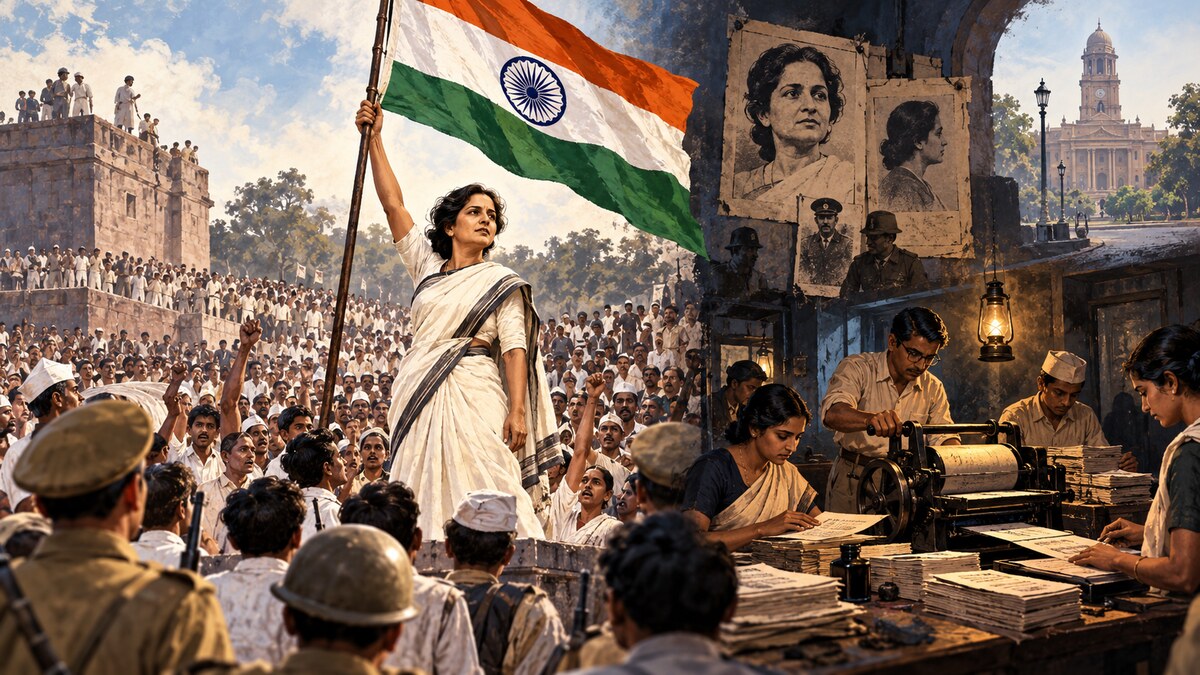
మరుసటి రోజు Gowalia Tank Maidan—నేటి August Kranti Maidan—వద్ద అరుణా ఆసఫ్ అలీ జాతీయ పతాకాన్ని ఎగురవేశారు. ఈ సంఘటన ఒక visual symbol మాత్రమే కాదు. అగ్రనాయకులు నిర్బంధంలో ఉన్నప్పటికీ ordinary workers, women, students, local organisers ఉద్యమాన్ని ముందుకు తీసుకెళ్లగలరనే సందేశం ఇచ్చింది.
భూగర్భ పోరాటం
Flag-hoisting తరువాత అరుణా అరెస్టుకు లొంగలేదు. ఆమె undergroundకు వెళ్లి Quit India activitiesను నిర్వహించారు. Meetings, messages, clandestine publications, dispersed networks ద్వారా ఉద్యమాన్ని కొనసాగించడం public speech కంటే కఠినమైన పని. ప్రతి contact ప్రమాదం; ప్రతి document evidence కావచ్చు; ప్రతి safe house compromise అయ్యే అవకాశం ఉంది.
Gandhi ఆమెను surrender కావాలని కోరినప్పటికీ ఆమె వెంటనే అంగీకరించలేదు. 1946 వరకు ఆమె underground జీవితం కొనసాగింది. ఈ నిర్ణయంపై వేర్వేరు అభిప్రాయాలు ఉండొచ్చు; కానీ ఆమెకు symbolic martyrdom కంటే movementకు active organisational support ముఖ్యం అన్నది స్పష్టమవుతుంది.
స్వాతంత్ర్యం తరువాత
అరుణా స్వాతంత్ర్యం వచ్చిన వెంటనే public life నుంచి కనుమరుగుకాలేదు. Delhi politics, labour and women’s organisations, peace movementsలో పనిచేశారు. 1958లో Delhi తొలి మహిళా Mayor అయ్యారు. Link magazine, Patriot daily వంటి publishing initiativesతో కూడా అనుబంధం ఏర్పరచుకున్నారు. అంటే freedomను ఆమె 1947తో ముగిసిన eventగా కాక, public institutionsను నిర్మించే నిరంతర బాధ్యతగా చూసారు.
గౌరవం మరియు స్మృతి
ఆమెకు 1992లో Padma Vibhushan లభించింది. 29 July 1996న మరణించిన తరువాత 1997లో Bharat Ratna ప్రదానం చేశారు. ఆమెను “Heroine of the Quit India Movement”గా స్మరించినా, ఒకరోజు flag-hoistingతో మాత్రమే ఆమె జీవితం పూర్తికాదు—civil disobedience, prison resistance, underground organisation, publishing, civic leadership అన్నీ కలిసిన ప్రయాణం అది.
🌱 మానవ వికాస కోణం
అరుణా కథ courageను ఒక్క dramatic actగా కాక sustained capacityగా చూపుతుంది. నాయకత్వం అంటే ముందున్న వ్యక్తి ఆదేశం కోసం ఎదురుచూడటం కాదు. Core purpose స్పష్టంగా ఉన్నప్పుడు, hierarchy కూలినా బాధ్యత తీసుకోవడం. Underground phase ఆమెకు visibility తగ్గించింది; impact మాత్రం కొనసాగింది.
మన జీవితానికి పాఠాలు
- Initiative: formal leader లేకపోయినా విలువైన పని ఆగకూడదు.
- Resilience: ఒక public success తరువాత long, invisible work చేయగలగాలి.
- Independent judgment: గొప్ప నాయకులను గౌరవిస్తూ కూడా సందర్భానుసారం భిన్న నిర్ణయం తీసుకోవాలి.
- Institution building: protest తరువాత publishing, civic governance, women’s organisationల ద్వారా ప్రత్యామ్నాయ వ్యవస్థలను నిర్మించాలి.
- Courage with discipline: ధైర్యం impulsive action కాదు; riskను అర్థం చేసుకొని purposeకు నిలబడటం.
🌱 జీవిత పాఠం
ఒక క్షణం మనల్ని చరిత్రలో కనిపించేలా చేస్తుంది; కనిపించని సంవత్సరాల క్రమశిక్షణే ఆ క్షణానికి అర్థం ఇస్తుంది.
Early life and entry into resistance
Aruna Ganguly was born on 16 July 1909 in Kalka. After her education she worked as a teacher. Her marriage to lawyer and nationalist Asaf Ali crossed strong social and family boundaries and brought her into closer contact with the national movement.
She joined Civil Disobedience and Salt Satyagraha processions in 1930 and was imprisoned. Official commemorative accounts record that she was not initially released with other political prisoners after the Gandhi–Irwin Pact; women prisoners protested until her case was addressed. She later participated in Individual Satyagraha in 1941.
Gowalia Tank, 9 August 1942
After the Quit India resolution, the British arrested the Congress leadership. At Gowalia Tank Maidan in Bombay, Aruna hoisted the national flag on 9 August. The act became a durable image of the movement because it demonstrated that mass resistance could continue even after the central leadership had been removed.
Underground organisation
Aruna did not surrender after the flag-hoisting. She went underground and continued organising resistance through dispersed networks and clandestine communication. Gandhi later asked her to surrender, but she remained underground until 1946. Whatever judgment one makes about that choice, it showed her preference for sustained organisational work over a single moment of publicity.
After independence
Her public life continued through civic politics, women’s and peace organisations and publishing. She became Delhi’s first woman Mayor in 1958 and was associated with the publications Link and Patriot. She received the Padma Vibhushan in 1992 and was awarded the Bharat Ratna posthumously in 1997.
🌱 Human Development Perspective
Courage is not only a visible act. It is the capacity to keep working when hierarchy collapses, recognition disappears and risk becomes personal. Aruna’s life also shows that protest becomes durable when it grows into institutions, communication networks and civic responsibility.
🌱 Life Lesson
One moment may make a person visible in history; years of disciplined, unseen work give that moment its meaning.
Sources
I Reflect. You Respond.
#MVRTalks #FreedomFighter #ArunaAsafAli #QuitIndia #CivilDisobedience #WomenInHistory #HumanDevelopment #IReflectYouRespond